That dusty strip on top of the fridge is the most overlooked storage in a rental kitchen — and for renters with no pantry, it can be the difference between a calm kitchen and one where the counters are buried. These top of fridge storage ideas for renters work without a single screw in the wall: no drilling, no brackets, no landlord conversations, just bins, baskets, and rules that keep the space useful instead of turning it into a junk shelf.
The trick is treating the top of the fridge as a real zone, not a dumping ground. It is high, it is warm, and it is hard to reach — so it has its own rules about what belongs there and what does not. This guide covers the safety basics first, then ten renter-safe setups, and finally the upkeep habit that keeps the zone from sliding back into chaos. If your kitchen has no pantry at all, pair this with the full no-pantry storage system — the fridge top is one zone in that system, not the whole answer.
Before you load anything: the fridge-top safety rules
1. Check the vents before you cover anything
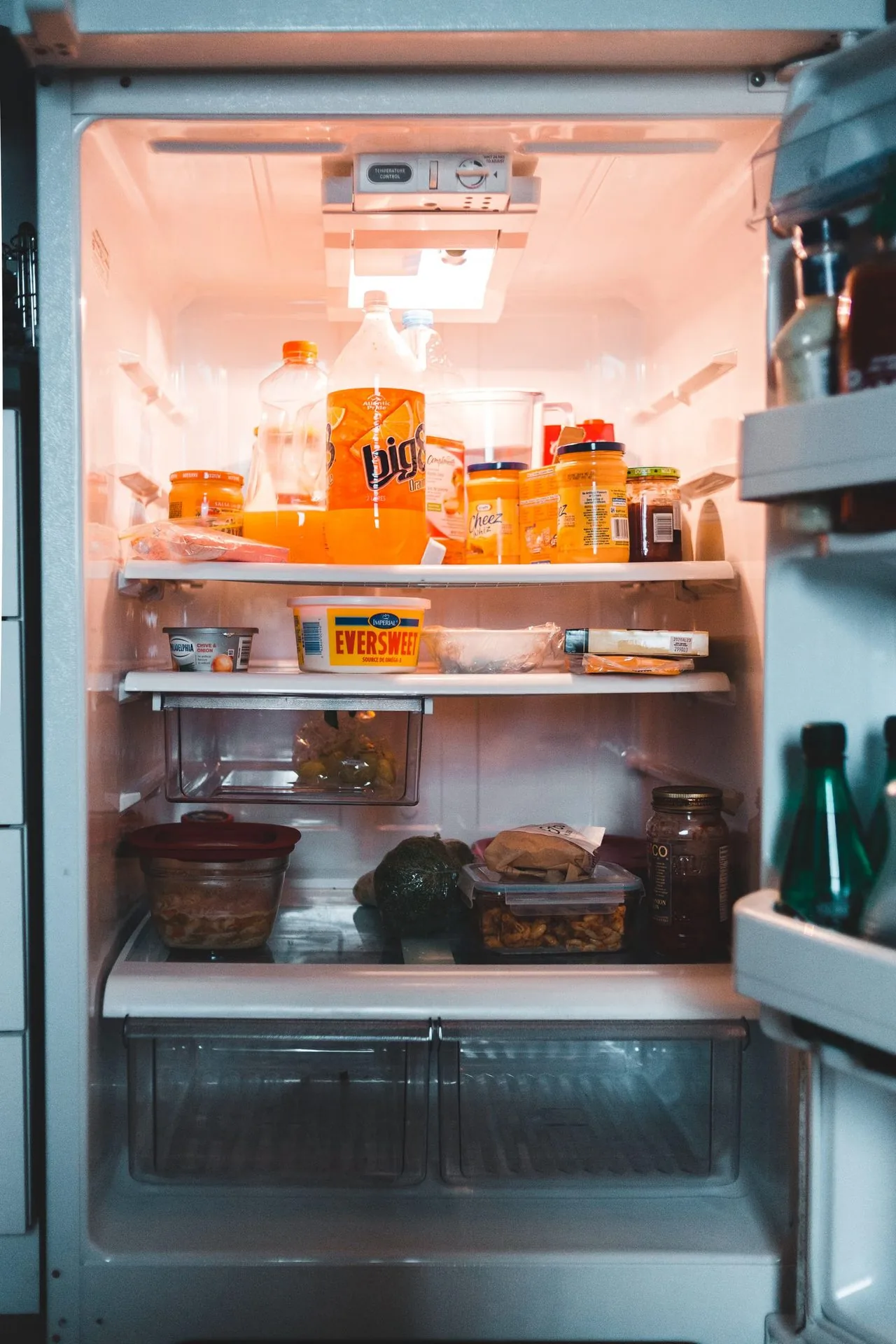
Many fridges vent heat through the top or the upper sides. Find your vents first — slats or grilles along the top edge or the sides near the top — and never block them with a solid board, a bin pushed flush against them, or a towel draped over the edge. Blocked vents make the compressor work harder, warm the food inside, and can shorten the fridge's life. If your fridge vents from the top, keep items a few inches back from the grille; if it vents from the sides, the top is free, but keep items off the side vents too.
2. Respect the weight and the heat
The top of a fridge is not a shelf rated for heavy loads. Keep it light: paper goods, linens, baskets of snacks, and rarely used gadgets are fine, but a stand mixer or a stack of cast iron belongs lower, where a fall cannot hurt anyone. Heat rises off the fridge, so this zone is also warmer than the rest of the kitchen — never store anything heat-sensitive up there, like chocolate, spices you care about, or anything in a sealed plastic bag that could warp. And keep the zone clear of the wall behind the fridge so air can move.
3. Measure the gap, then buy the bin
Measure the height from the top of the fridge to the ceiling or cabinet above it, and the depth from the front edge to the wall, before buying anything. A bin one inch too tall becomes a stuck lid you can never open, and a bin deeper than the fridge overhangs the front and gets knocked every time the door opens. Write the two numbers on your phone and shop to them.
The ten renter-safe setups
4. One labeled bin per category, handles facing out
The simplest setup that actually lasts: two or three shallow, handled bins, each with one job — "paper goods," "snacks," "baking extras." Handles facing the front matter more than they sound like they should: you pull the whole bin down like a drawer, take what you need, and slide it back, instead of reaching blindly and knocking things over. Label the front edge of each bin so anyone in the household grabs the right one first time.
5. The paper-goods station
Paper towels, napkins, and reusable shopping bags are the perfect fridge-top residents: light, bulky, and used often enough to justify the reach but not so often that you need them at counter height. A single open basket holds a few rolls upright plus a folded stack of bags, and frees a whole cabinet shelf below. Keep a small step stool nearby if you are short; the station only works if reaching it is a five-second job, not a production.
6. The rarely used appliance parking spot
The waffle maker, the fondue pot, the ice cream maker, the blender base you use twice a month — these gadgets eat cabinet space all year for a few days of use. The fridge top is their parking spot, as long as each one is light enough to lift down safely. Put non-slip liner underneath so nothing slides when the door thumps shut, and keep cords wrapped and tucked. If an appliance is too heavy to lift down with one hand while steadying yourself with the other, it does not belong up here.
7. The seasonal and entertaining bin
Holiday platters, serving trays, and seasonal kitchen linens are used a few times a year, which makes them ideal fridge-top tenants — out of the way, but still in the kitchen when December arrives. One bin labeled "holiday" holds the whole set, pairing with the holiday dish storage system for everything that does not fit up top. The rule: if it goes in the holiday bin, it comes out only for holidays.
8. The snack and lunch overflow bin
When the pantry is a shelf or a cart, snack overflow has nowhere to go — and it usually lands on the counter. A single bin on the fridge top, stocked with crackers, granola bars, and lunchbox overflow, keeps counters clear and gives snacks a real home. Refill it from the grocery bags once a week, and when it is empty, that is your signal to shop, not to buy a second bin. If you run a rolling cart as a pantry station, the fridge-top bin is its overflow valve.
9. The cookbook and menu shelf
Cookbooks you reach for a few times a month and a binder of printed recipes can live in a low basket on the fridge top, spines facing out. Keep the stack short — a basket taller than it is wide tips when you pull a book from the middle. If you have more cookbooks than fit, the extras belong on a bookshelf pantry, not squeezed onto the fridge.
10. The cleaning-supply overflow basket
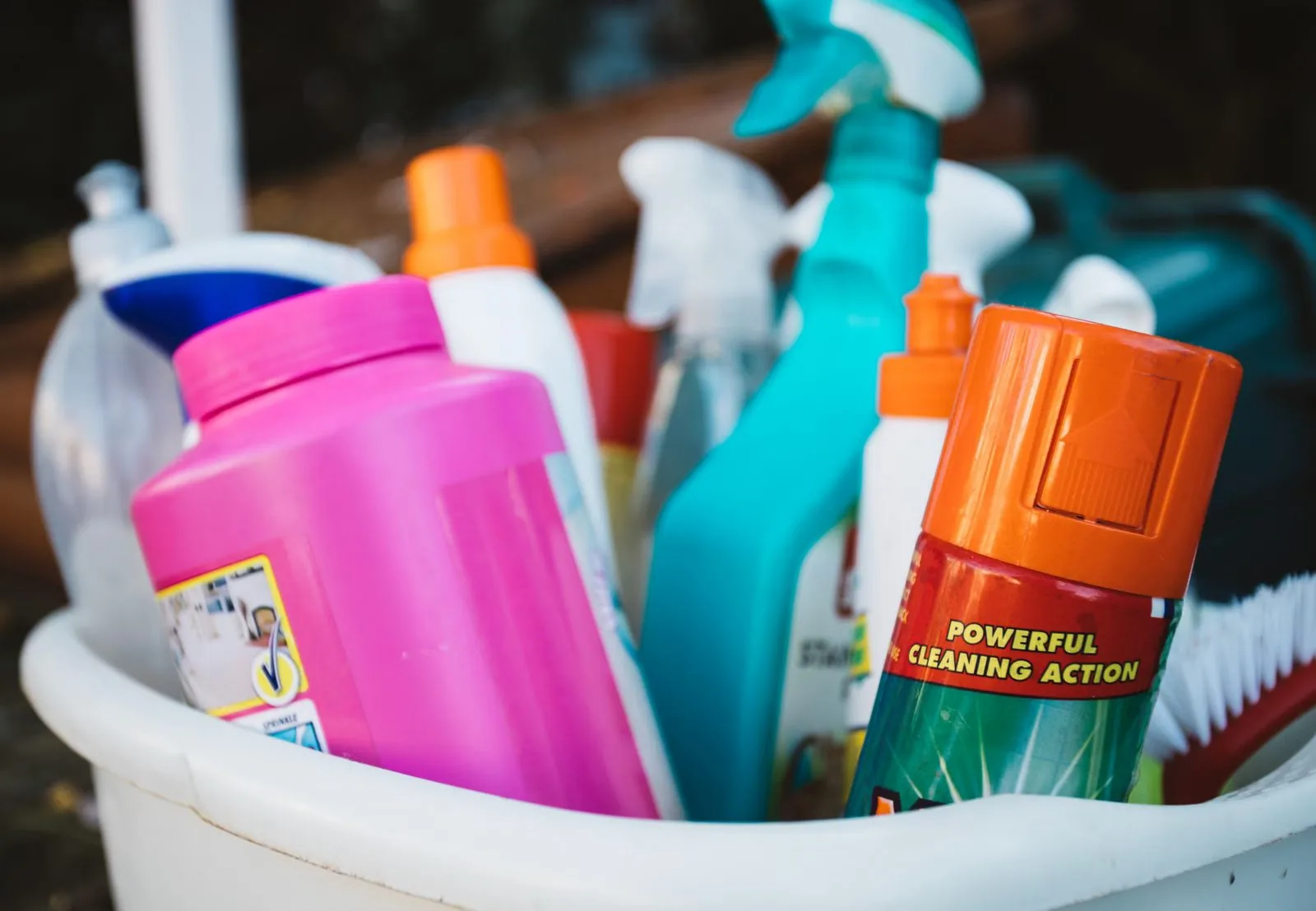
Extra trash bags, spare sponges, and backup dish soap are light, bulky, and bought in multi-packs — exactly the profile that suits the fridge top. Keep only the overflow up here, not the working supply: the bottle in use stays under the sink, and the spares wait on the fridge. Keep them sealed, upright, and in a bin with a lip, and never store strong-smelling chemicals near food. For the working supply, the under-sink cleaning system is the better home.
11. The baking-sheet and tray file
Baking sheets, cutting boards, and flat trays are awkward everywhere, but on the fridge top they can stand vertically in a low file-style holder — a dish rack, a file sorter, or a narrow bin turned on its side — so you can slide one out without moving the whole stack. This only works if the gap is tall enough for the sheets to stand; if it is not, the same file works on a cabinet top or in a deep drawer. Keep the heaviest boards at the front so the file does not tip forward.
12. The "one in, one out" display edge
If your fridge top is visible from the living area, its front edge can hold a row of pretty canisters or a couple of cookbooks instead of bins. The strict rule: one item in means one item out, and nothing lives behind the display row. The moment something hides behind the pretty row, it becomes the junk shelf again. If you need real capacity, bins beat display every time.
13. The side-of-fridge bonus: magnetic bins and hooks
The top is not the only no-drill fridge surface. Magnetic bins, hooks, and small shelves stick to the side of most fridges and hold spices, utensils, and paper towels without a single hole — especially useful when the top gap is too short for bins. Test your fridge with a magnet first: stainless-look finishes are often not magnetic, and an organizer that slides is worse than none. The magnetic storage guide covers what sticks and what holds weight.
Keeping it tidy: the two-minute monthly reset
Fridge tops drift. Set a monthly two-minute reset: pull every bin down, wipe the dust off the fridge top, toss anything expired or broken, and put back only what still earns its place. The most common drift is the "temporary" item — the bag of chips, the thing you set up there "just for now" — and the reset catches it before it becomes permanent. If a bin is always overflowing, that category needs a bigger home elsewhere, not a bigger bin up top. And never stack bins two high: a second story on the fridge top is a falling hazard, and the overflow belongs in another zone, like the slim gap cart or the top of a cabinet.
📌 Pin this for later
Top of Fridge Storage Ideas for Renters — save it to your "Small Kitchen Organization" board.
Frequently asked questions
Is it safe to store things on top of the fridge?
Yes, as long as you keep it light, never block the fridge's vents, and keep items away from heat-sensitive goods. Check whether your fridge vents from the top or the sides first, leave an air gap around the vents, and avoid heavy items that could fall when you reach up.
What should you not store on top of the fridge?
Nothing heavy, nothing heat-sensitive (chocolate, spices you care about), nothing that could leak onto food, and nothing you need every day. Daily items belong at counter or cabinet height — the fridge top is for light, rarely used, or overflow things.
How do I keep the top of the fridge from becoming a junk pile?
Use one labeled bin per category with handles facing out, give each bin a single job, and run a two-minute monthly reset: pull everything down, toss what no longer earns its place, and put back only what belongs. The "one in, one out" rule stops the slow creep.
Can renters use the top of the fridge without drilling?
Yes — every setup in this guide is no-drill. Bins, baskets, non-slip liner, and magnetic side organizers all work without a single hole, so your deposit is safe and the whole zone moves with you.
What if the gap above my fridge is very short?
Use low, shallow bins or a single flat basket, and keep only flat or soft items up there — linens, paper goods, bags. If even a shallow bin will not fit, use the magnetic side of the fridge instead, or move the category to a gap cart or the top of a cabinet.