Learning how to store fruit in a small rental kitchen is mostly a fight against two things: a fridge with almost no spare shelf, and fruit that ripens — and spoils — at wildly different speeds. Bananas brown in days, berries go soft overnight, and a bag of citrus hogs a whole drawer for a month. The fix is a small system: some fruit lives on the counter, some goes straight in the fridge, and the two groups never share a bowl.
The whole system fits in one sentence: keep fruit on the counter only while it is still ripening, move it to the fridge the moment it is ripe, and keep the heavy ethylene producers — bananas and apples — far away from everything else. The rest of this guide is the detail: which fruit belongs where, how to separate the gas-givers from the gas-sensitive fruit, and what to do when you have no counter space at all.
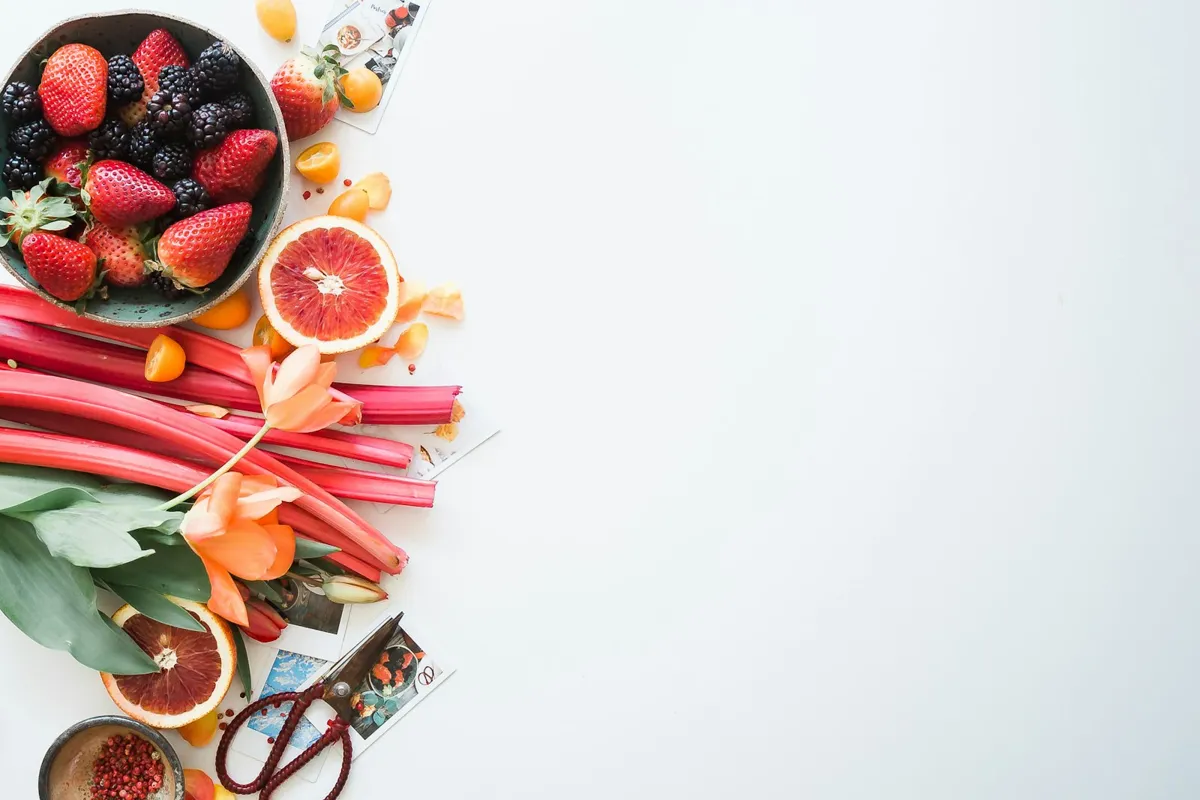
Counter or fridge? The rule for every fruit
The deciding question is whether the fruit is still ripening. Fruit that ripens after picking — bananas, stone fruit, avocados, mangoes, pears — belongs on the counter until it reaches the ripeness you like, then goes into the fridge to slow down. Fruit that does not ripen much after picking — berries, citrus, grapes, melons once cut — should go straight into the fridge, because every hour on the counter is an hour closer to mold. Remember one rule: the counter is a ripening station, not a storage shelf. Fruit that sits there past its moment is fruit you will throw away.
In a small rental kitchen this matters more, because your fridge is probably a top-freezer or apartment-size model with one crisper drawer and two usable shelves. The counter has to carry part of the load on purpose — one small display bowl, two or three days' worth of fruit, and the rest in the fridge.
The display bowl: two to three days, no more
Pick one bowl, and keep it small — about 20 centimeters across holds a banana bunch, two peaches, and a couple of plums, roughly what one person eats in two or three days. When the bowl empties, refill it from the fridge, not from the shopping bag. This is the part of the system that stops waste: fruit you can see gets eaten, and fruit buried in a crisper drawer gets found three weeks later as a science experiment.
Ethylene separation: keep the gas-givers away from everyone else
Some fruit gives off ethylene gas as it ripens, and that gas makes nearby fruit ripen — and then spoil — much faster. Bananas and apples are the biggest producers in an ordinary shopping basket, and berries, citrus, and grapes are among the most sensitive to it. That is why the classic mistake is tossing everything into one bowl or one crisper drawer: the bananas ripen the strawberries, the strawberries go soft, and the whole lot is compost by Thursday.
The separation does not need to be elaborate. Bananas get their own hook or their own corner of the counter, well away from the display bowl. Apples go in the fridge in their own bag or in the crisper drawer by themselves. Berries stay in their container in the fridge, never loose in a bowl next to a banana. Citrus is the easy one — it tolerates the fridge well and is barely bothered by ethylene. If you change only one habit after reading this guide, make it this one: never store bananas next to berries. That single separation can add two or three days to the life of a punnet of strawberries.
Berries: the fridge, unwashed, in their own container
Berries are the most fragile fruit most renters buy, and the most wasted. The rules are simple but strict. Do not wash berries until you are about to eat them — water speeds mold, and a washed punnet in the fridge will be fuzzy in two days. Keep them in their original container or a shallow container lined with a paper towel, which absorbs the moisture that feeds mold. Pick out any soft or moldy berry the moment you spot one, because mold spreads from berry to berry overnight in a closed container.
Stored this way, strawberries last five to seven days, blueberries up to two weeks, and raspberries three to five days. If your fridge space is tight, berries earn their shelf: they are small, they spoil fast, and they are the fruit you will actually miss. The small fridge organization guide shows how to carve out a dedicated berry shelf even in a top-freezer model.
Bananas, citrus, and stone fruit: what goes where
Bananas are a counter fruit until they reach the ripeness you like, and then the fridge is your friend, not your enemy. A ripe banana in the fridge keeps for another four or five days; the skin will turn dark, which looks alarming, but the fruit inside stays firm and sweet. If you buy a green bunch, keep it on the counter away from other fruit — it will ripen in two to four days, faster in a paper bag with an apple. Once it is ripe, move it to the fridge or freeze the extras for smoothies, peeled and in a bag.
Citrus is the low-maintenance member of the fruit bowl: oranges, lemons, and grapefruit keep for a week on the counter and three to four weeks in the fridge, and they are far more forgiving than berries about being stored loose — the fruit to keep on the counter when the fridge is full. Stone fruit — peaches, plums, nectarines, cherries — is the opposite: it belongs on the counter only while it is firm and ripening, and it goes into the fridge the moment it yields to a gentle squeeze. Check stone fruit daily and eat the softest first.
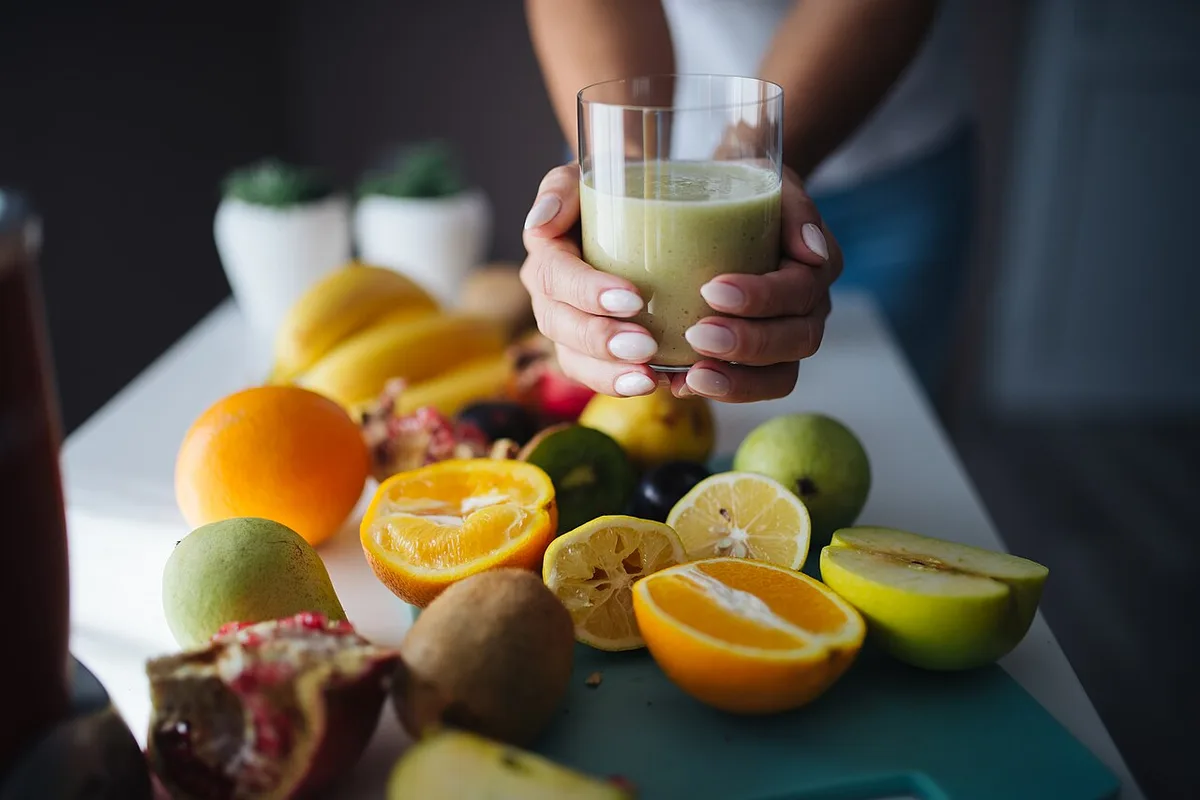
Melons and cut fruit: fridge only, and sealed
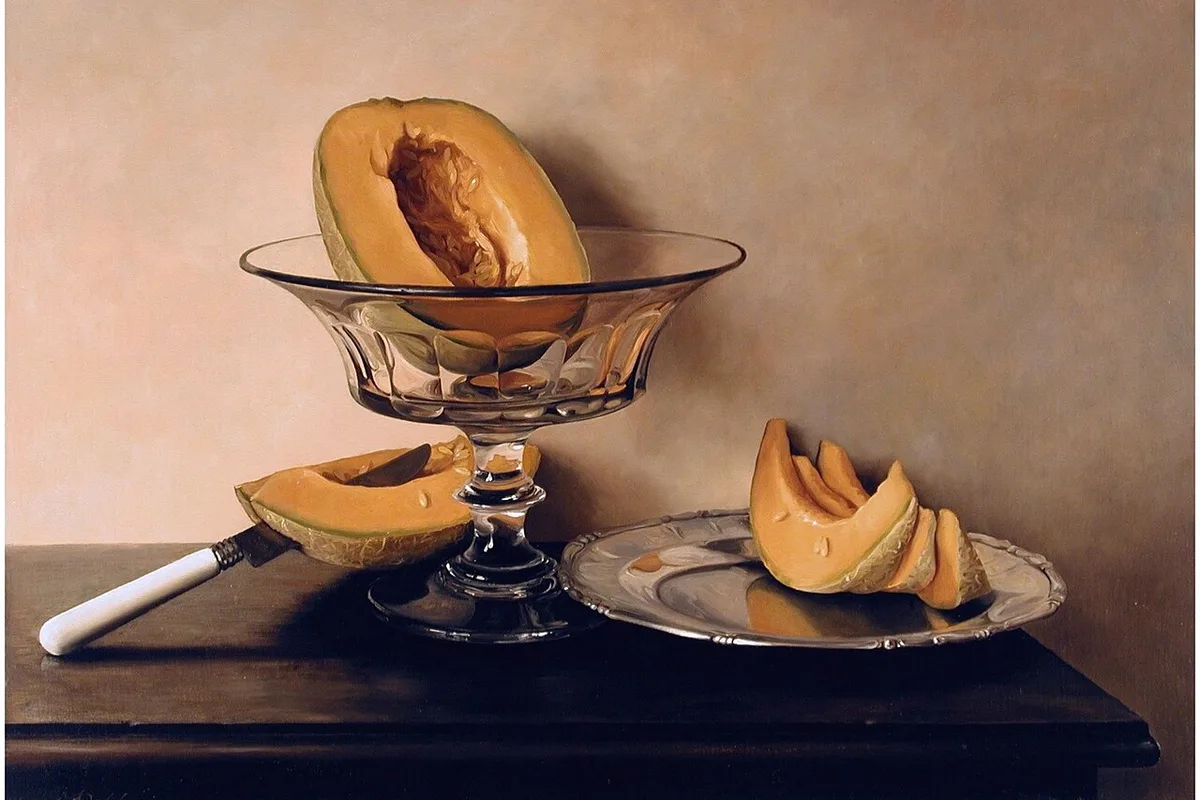
A whole melon is the one fruit that is happy on the counter — an uncut watermelon or cantaloupe keeps for a week or more at room temperature, and in a small kitchen it usually lives on top of the fridge or on the floor beside a cabinet, because it will not fit anywhere else. The moment you cut it, though, it becomes fridge fruit. Cut melon goes into a sealed container or wrapped tightly, and it keeps for three to five days. The cut surface dries out and picks up fridge smells fast if it is left uncovered, so the seal matters more than the shelf.
The same rule covers all cut fruit: a halved grapefruit, sliced mango, or cut pineapple belongs in a sealed container in the fridge, eaten within three days. Keep cut fruit away from strong-smelling food, too — melon absorbs onion and garlic smells with enthusiasm.
No counter space? Use the vertical options
Many rental kitchens have almost no usable counter — a strip beside the sink and a few centimeters by the stove. In that case, the display bowl has to leave the counter. A hanging fruit basket is the classic fix: a two- or three-tier basket that hangs from a hook under a cabinet or from a small stand, holding bananas on top and stone fruit below, with the tiers keeping the ethylene producers apart by design. It uses zero counter space and keeps the fruit visible, which is half the point.
The top of the fridge is the second option, and it suits fruit that is still ripening — a melon, a bunch of green bananas, a bag of avocados. The top of the fridge is warm, because heat rises off the appliance, so it speeds ripening; that is useful for fruit you want ready soon and terrible for fruit you want to keep. Never put berries or cut fruit up there. The top-of-fridge storage guide covers what is safe to keep up there and what will melt, spoil, or fall off. If even the top of the fridge is taken, a small basket on a cabinet shelf works for citrus and apples if you check it daily — out of sight is where fruit goes to die. The bulk grocery storage guide has more ideas for stashing produce when there is no pantry at all.
📌 Pin this for later
How to Store Fruit in a Small Rental Kitchen (Counter vs Fridge) — save it to your "Small Kitchen Organization" board.
Frequently asked questions
Should fruit be stored on the counter or in the fridge?
It depends on the fruit. Fruit that is still ripening — bananas, stone fruit, mangoes, pears — stays on the counter until ripe, then moves to the fridge. Fruit that does not ripen after picking — berries, citrus, grapes, and all cut fruit — goes straight into the fridge. The counter is a ripening station, not a storage shelf.
Why do my berries go bad so fast next to bananas?
Bananas give off ethylene gas as they ripen, and berries are very sensitive to it — the gas speeds up their ripening and then their spoiling. Keep bananas on their own hook or corner of the counter, well away from the berry container, and never store them in the same bowl or crisper drawer. That one separation can add two or three days to a punnet of strawberries.
How long does fruit last in a small fridge?
Strawberries last five to seven days, blueberries up to two weeks, and raspberries three to five days when kept unwashed in the fridge. Citrus keeps three to four weeks in the crisper drawer. Ripe stone fruit lasts three to five days refrigerated, and cut melon keeps three to five days in a sealed container.
Where do I put fruit if I have no counter space?
Use a hanging fruit basket under a cabinet or on a small stand — it holds bananas and stone fruit with zero counter space and keeps the ethylene producers separated by tier. The top of the fridge works for fruit that is still ripening, like a melon or green bananas, but never for berries or cut fruit. A small basket on a cabinet shelf works for citrus and apples if you check it daily.