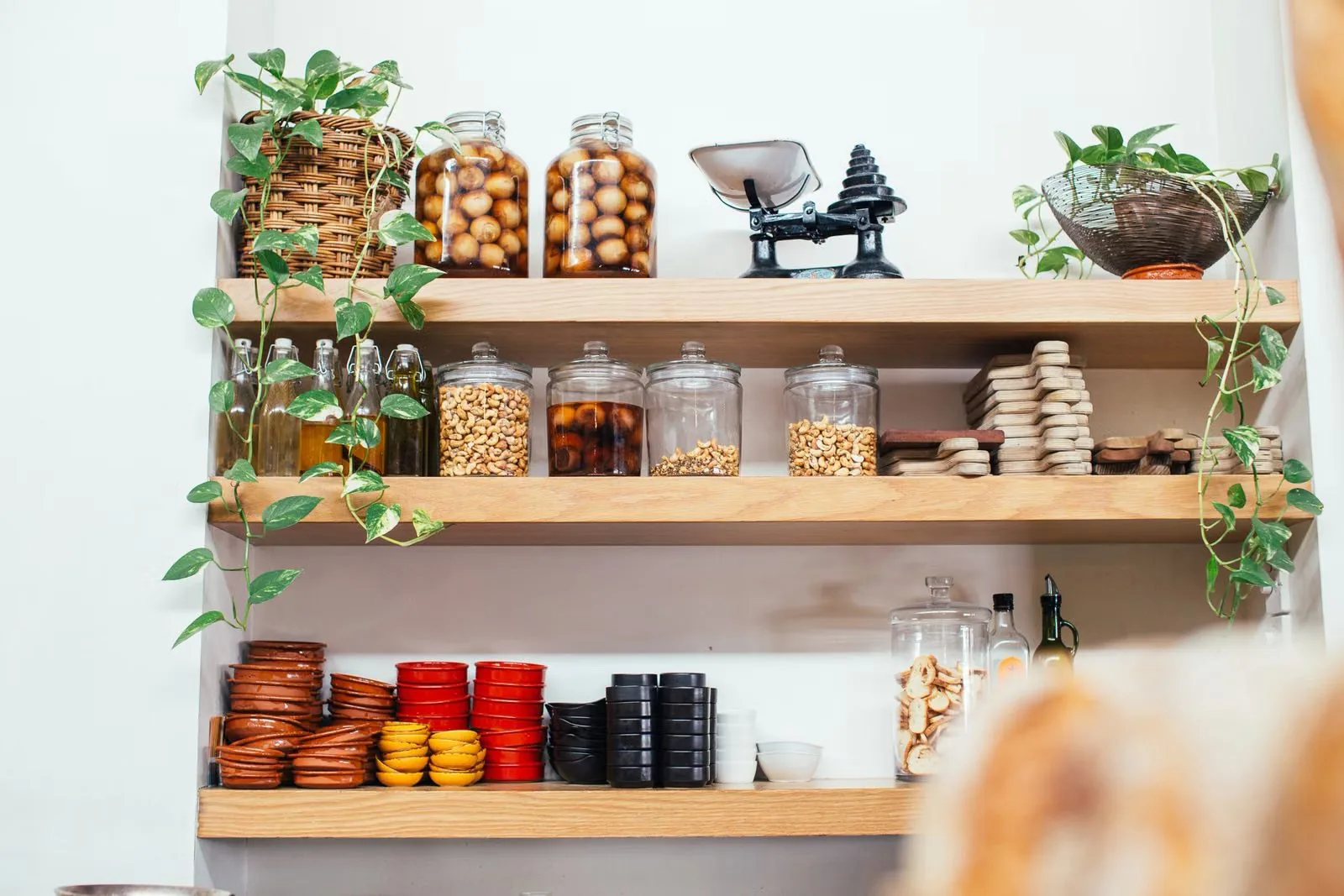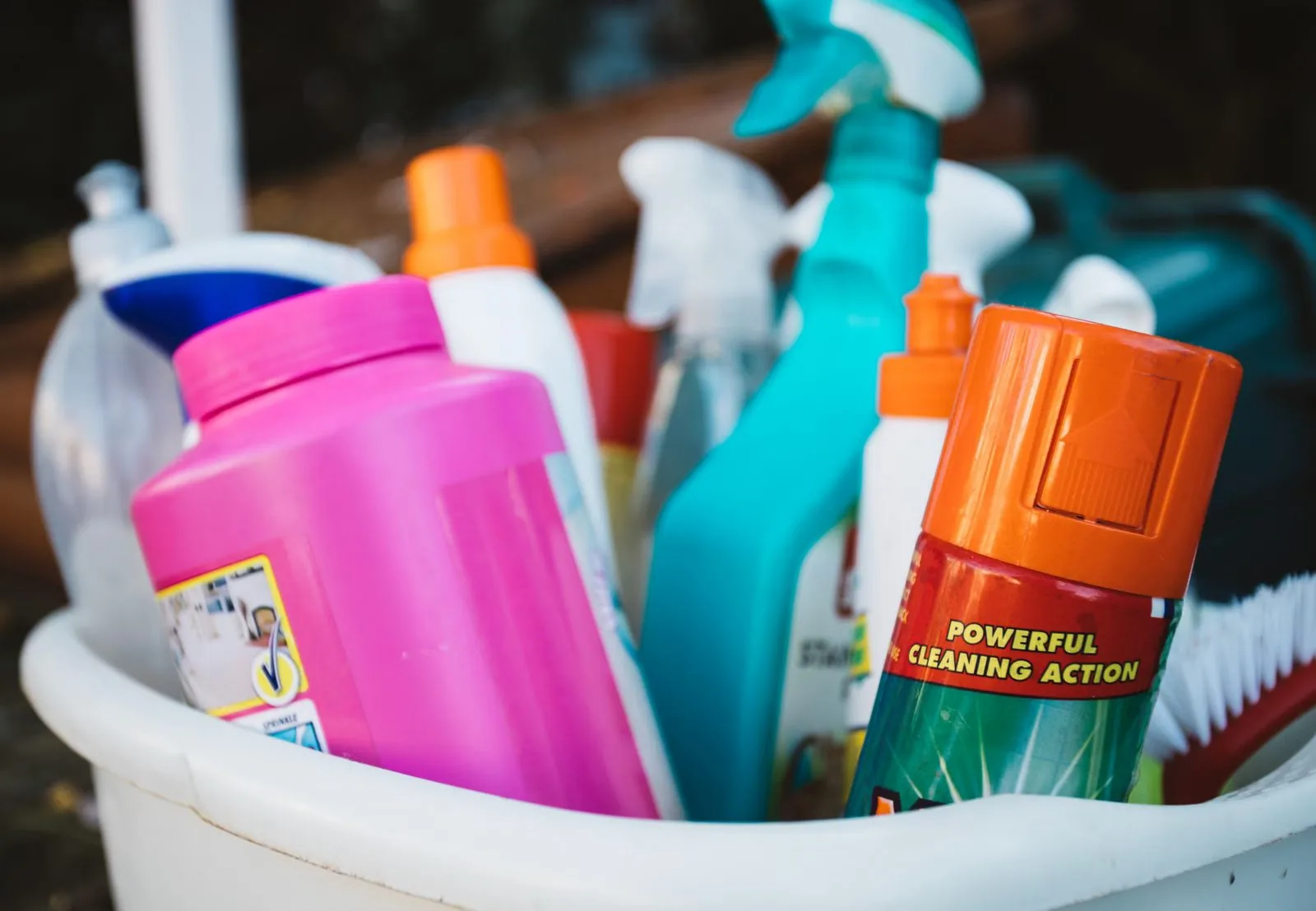
The Costco haul is the best deal in groceries — and the worst thing that ever happened to your tiny rental kitchen. The 25-pound bag of rice, the 48-pack of paper towels, the two-pack of olive oil the size of a toddler: bulk savings are real, but where does any of it go when you don't have a pantry? If you want to store bulk groceries without a pantry in a small rental, the answer isn't "don't shop at Costco." It's a system that splits every haul into two stocks: what you use now, and what waits its turn.
Here's the mindset shift: your kitchen should only hold about a week's worth of working stock. Everything else — the reserves, the refills, the duplicates — lives in cheap, no-drill backstock zones elsewhere in your apartment. Twelve rules make that system work.
Rule 1: Split every haul at the door
Before anything goes into a cabinet, divide the haul into working stock (what you'll use this week) and backstock (everything else). The 25-pound rice bag stays sealed; a week's worth of rice goes into a container in the kitchen. The 12-pack of paper towels contributes one roll to the kitchen and eleven to backstock. This one habit solves 80% of bulk-storage pain, because your tiny cabinets never have to hold the whole warehouse — just this week's supplies. It's the same keep-only-what-you-use-weekly logic behind a no-pantry pantry system.
Rule 2: Decant and downsize immediately
3. Break oversized packs into kitchen-sized portions
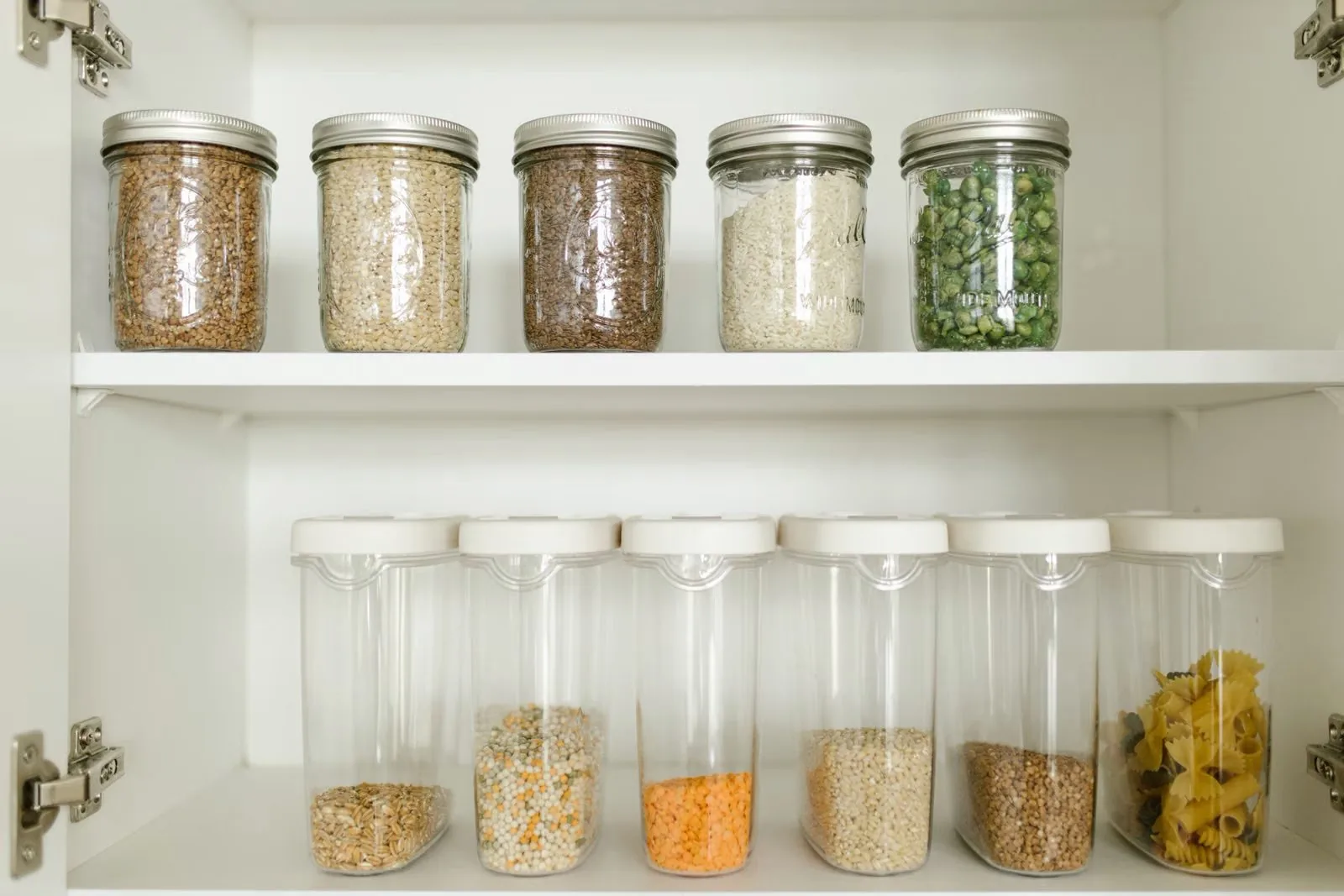
Bulk packs are priced for a family of five with a garage. Break them down the day you shop: pour rice, flour, and cereal into uniform square containers that stack floor-to-ceiling in a cabinet. Divide the giant bag of chips into portions in zip bags in one basket. Refill the olive oil cruet from the jumbo bottle and move the bottle to backstock. Uniform containers fit 20–30% more into the same shelf than half-empty bags and mismatched boxes — and they let you see exactly what you own, which stops the duplicate-buying that clogs small kitchens.
Rule 3: Build backstock zones outside the kitchen
4. The closet-floor reserve
The floor of a coat closet or hallway closet is the most underused storage in a rental. One labeled bin there holds your sealed backstock: the unopened rice bag, the extra pasta boxes, the reserve olive oil. It stays cool, dark, and out of the way — and a bin keeps it tidy and move-out friendly. Non-food bulk (paper towels, toilet paper, cleaning refills) can live in the same bin system, following the same zone logic as cleaning supplies.
5. Under-bed rolling bins
Low, rolling under-bed bins are made for cases of canned goods, bottled water, and snack multi-packs — heavy, flat, and only needed occasionally. Slide a bin under the bed with cans in a single layer (never stacked, so nothing crushes), and your kitchen holds only this week's cans on a riser or turntable.
6. The top-of-cabinet shelf
That gap between your upper cabinets and the ceiling fits attractive baskets holding backstock you reach for monthly, not daily: the extra flour, the backup cooking oil, the party-size snack bags. Keep a small folding step stool nearby so it's actually accessible.
Rule 4: Let the freezer carry the perishable bulk
7. Portion and freeze on haul day
Family-pack proteins are where bulk savings live — and where tiny fridges die. The fix is a 20-minute portioning session the day you shop: divide chicken, ground meat, and fish into meal-sized portions, press them flat in freezer bags (flat bags stack like files and thaw fast), and label with the date. Bulk berries, bread, and butter freeze just as well. Your fridge keeps only this week's proteins; the freezer does the heavy lifting.
Rule 5: Give cans a dedicated lane
8. Single-file can storage, not stacks
Cans are the heaviest, densest bulk item — and stacking them in pyramids is how cabinets get damaged and cans get lost. Store cans single-file on a stepped riser or a narrow pull-out organizer so every label faces you, or file them into a slim rolling cart parked in a gap. One row deep, everything visible, nothing forgotten at the back.
Rule 6: Buy bulk strategically — not everything
9. The tiny-kitchen bulk buy list
Not every bulk deal deserves your limited space. The winners in a no-pantry rental: paper goods (they never expire and compress well), shelf-stable staples you burn through fast (rice, pasta, canned tomatoes, oats), freezer-friendly proteins, and cleaning supplies. The losers: the 25-pound flour bag if you bake twice a year, giant snack variety packs nobody finishes, and anything perishable you can't portion and freeze. A smaller, smarter haul beats a bigger one every time.
Rule 7: Use rolling carts as your bulk overflow valve
10. One cart for the "almost out" queue
Dedicate one tier of a rolling cart to refills: the next olive oil, the next rice container, the next paper-towel roll. When the working stock runs out, the replacement is right there — no trek to the closet. It's a rolling buffer between your kitchen and your backstock, and it works exactly like a rolling pantry station, sized for bulk reserves instead of daily goods.
Rule 8: Keep the system honest
11. The monthly backstock audit
Bulk systems drift: reserves pile up, working stock shrinks, and suddenly you're storing six months of pasta in a 400-square-foot apartment. Once a month, check your backstock bins. If anything has been sitting for three months untouched, stop buying it in bulk. Your backstock should turn over — it's a pipeline, not a warehouse.
12. Shop from your backstock first
Before writing a grocery list, scan your backstock bin and your containers. Buying a second 10-pound bag of rice while one sits sealed in the closet is how tiny kitchens drown. Clear bins and a quick glance make this a 30-second check — and it's the cheapest storage hack there is: less coming in means less to store.
The $40 bulk-storage starter kit
If you're starting from zero: two under-bed rolling bins (~$12 each) for canned goods and paper goods, five uniform square containers (~$12 for a set) for the dry goods you buy most, and a label maker or masking tape plus marker for the bins. Under $40, all of it moves with you to the next rental, and it handles every bulk haul from here on.
📌 Pin this for later
How to Store a Costco Haul With No Pantry — save it to your "Small Kitchen Organization" board.
Frequently asked questions
How do you store bulk food in a small apartment with no pantry?
Split every haul into working stock (one week in the kitchen) and backstock (reserves in labeled bins in a closet, under the bed, or on top of cabinets). Decant dry goods into uniform stackable containers, portion and freeze bulk proteins, and keep only this week's supplies in your cabinets.
Is it worth buying in bulk if my kitchen is tiny?
Yes — if you're selective. Paper goods, fast-moving staples (rice, pasta, oats, canned tomatoes), freezer-friendly proteins, and cleaning supplies are worth it. Skip giant bags of anything you use slowly; a smaller, smarter haul beats a bigger one.
Where should I put a 25-pound bag of rice in a rental?
Keep the bag sealed in a backstock bin (closet floor or under-bed) and keep only a week's worth in an airtight container in the kitchen. Refill from the bag as needed — the bag never has to live in your cabinets.
How do I keep track of what I have in backstock?
Use clear or labeled bins so you can see inventory at a glance, and do a 30-second scan before writing your grocery list. A monthly audit catches anything that isn't turning over so you can stop buying it in bulk.