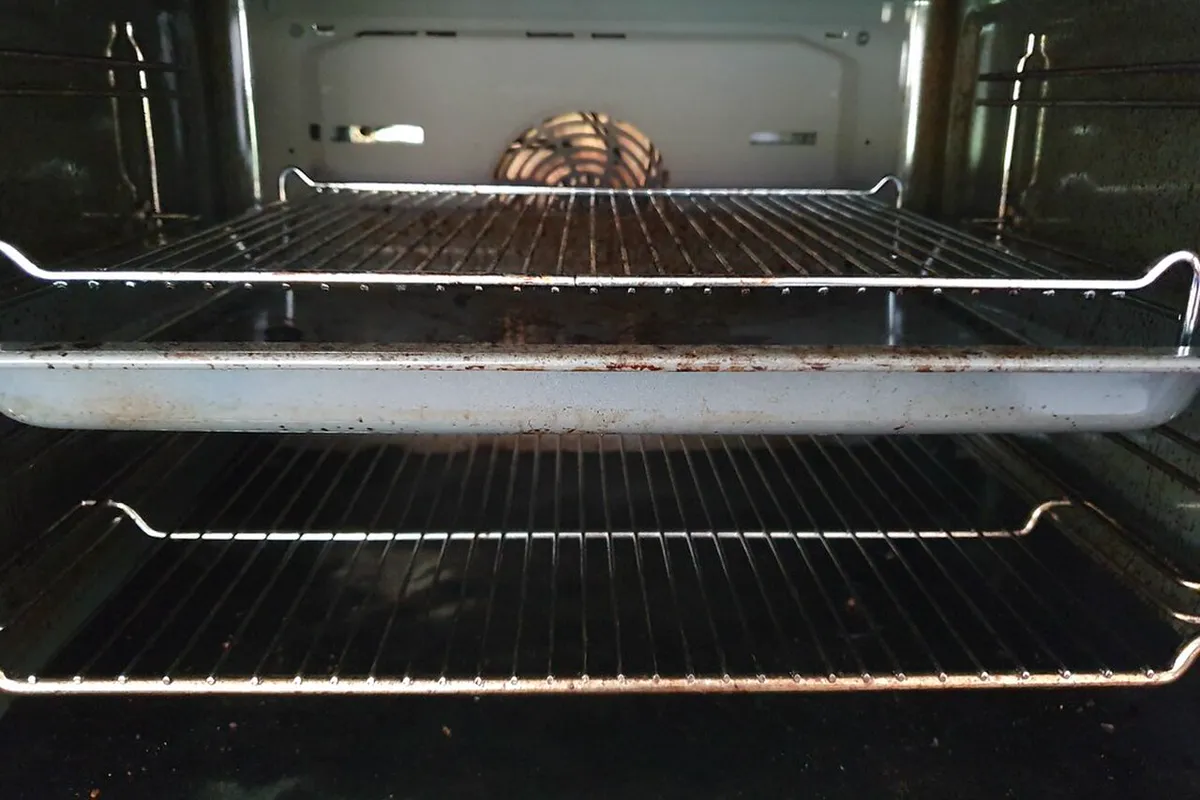
Figuring out how to clean an oven in a rental kitchen usually starts the same way: you open the door, see a year of baked-on grease staring back, and close it again. It is the landlord's oven, not yours, and that changes everything — the wrong cleaner can damage the enamel, the heating element, or the door glass, and any of that can come out of your deposit. The good news is that you do not need a professional clean or a can of caustic oven spray. A tub of baking soda, a bottle of white vinegar, and one evening of patience will get a neglected rental oven looking inspection-ready.
This guide is written for a small rental kitchen: a standard landlord oven, a sink too small for the racks, and a deposit to protect. It covers the baking soda paste method, the racks, the door glass, when the self-clean cycle is worth the risk, what never to touch on the heating element, and the move-out photos that prove the oven was clean when you left.
Start here: cool it down, photograph it, check your lease
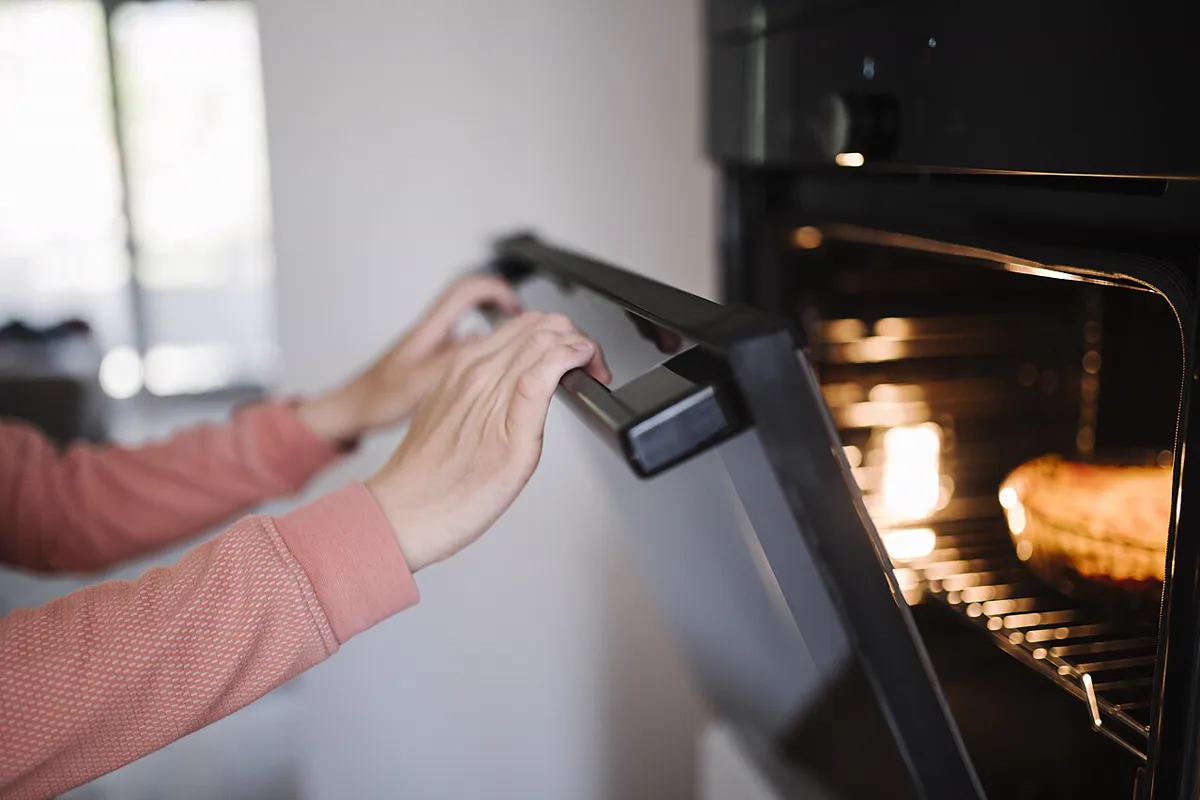
Never clean a warm oven. Wait until it is completely cool to the touch — at least an hour after cooking. A hot oven makes pastes dry out before they work and turns sprays into fumes. Before you touch anything, photograph the oven: a wide shot of the open door, close-ups of the worst grease, the racks, and the door glass. If the oven was already stained when you moved in, these photos prove the damage is not yours.
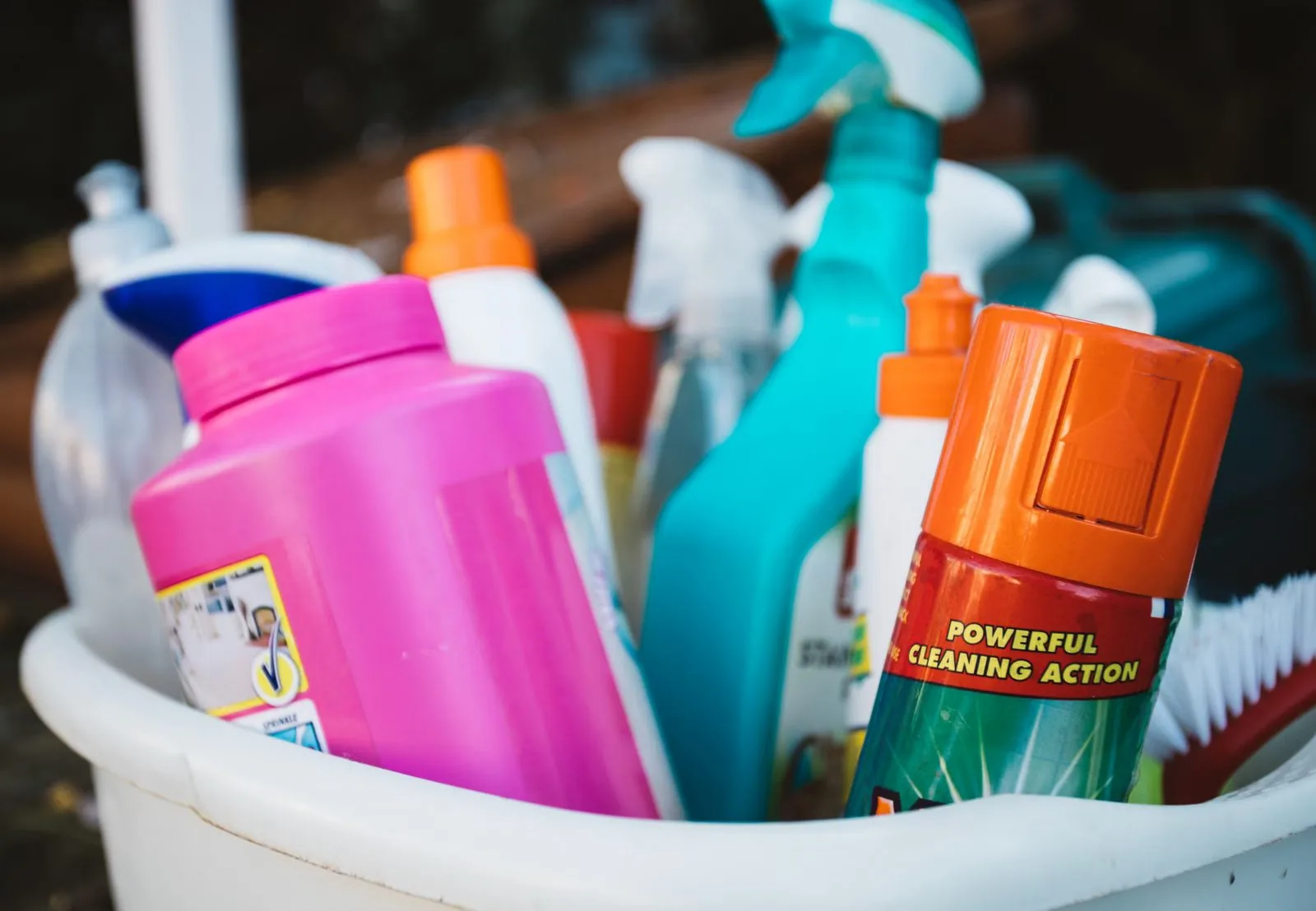
Then check your lease and the oven manual. Some agreements ban the self-clean cycle, and some landlords expect a professional clean at move-out — find out before you spend an evening scrubbing. The model number is on a sticker on the door frame, and the manual tells you whether the enamel is self-clean safe. Your kit is simple: baking soda, white vinegar in a spray bottle, washing-up liquid, rubber gloves, a microfibre cloth, an old toothbrush, and a bin bag.
The baking soda paste: the deposit-safe deep clean
Take out the racks and set them aside — they get their own clean below. Mix half a cup of baking soda with three tablespoons of water into a thick paste, like toothpaste. Wearing gloves, spread it over the whole interior: floor, walls, roof, and back panel. Go thick on the brown patches and thin everywhere else, working it into the corners with your fingers or the old toothbrush. Keep the paste off the heating element and away from the fan at the back.
Now wait. Leave the paste for at least eight hours — overnight is ideal — with the door closed. Time does more than scrubbing: the paste slowly softens baked-on grease and carbon. The next morning, wipe it out with a damp microfibre cloth. Spray the inside lightly with white vinegar. It fizzes where paste remains, loosening the last residue. Wipe again until the cloth comes away clean, then dry with a fresh cloth. A stubborn spot gets a second, thicker paste for an hour.
Cleaning the oven racks when your sink is too small
Oven racks are the awkward part of this job, because they do not fit in a small kitchen sink. The bathtub is the answer. Lay an old towel in the bath, put the racks in, and cover them with the hottest tap water you can run. Drop in a dishwasher tablet. Leave them to soak for four to six hours — overnight for a bad case. After the soak, most grease wipes off with a cloth or a non-scratch sponge.
Dry the racks fully before they go back in. Wet racks rust, and rust stains transfer to the oven floor. If you have no bath, use the bin-bag method: a rack in a large bin bag with a dishwasher tablet and a kettle of hot water, tied shut for a few hours. Never spray oven cleaner on the racks indoors. The fumes fill a small flat, and the spray can damage the rack coating. For more small-kitchen cleaning routines, the glass stovetop cleaning guide uses the same gentle-first approach.
The oven door glass: inside, outside, and the gap in between
The brown film on the inside of the door is grease baked on layer by layer. With the oven cool and the door fully open, spread a thick layer over the inside glass and leave it for thirty minutes. Then wipe it off and buff dry. For a film that survives the paste, a glass scraper held almost flat at a low angle will lift it. Wet the glass first and use a fresh blade. Never use steel wool or a scouring pad: the scratches are permanent.
Some doors have a gap between two panes of glass, and grease gets in there too. Do not dismantle the door to reach it. The panes are held by clips and screws that are easy to break, and a cracked door is a deposit deduction. Wipe the edges you can reach, photograph the stain, and tell the landlord. The outside of the door and the handle just need warm water with a drop of washing-up liquid and a dry buff, as the microwave cleaning guide recommends.
Self-clean vs baking soda paste: which is safer in a rental?
The self-clean cycle heats the oven to around 450–500°C and burns grease to ash. It is fast and it works, but in a rental it carries risks the paste does not. The cycle produces smoke and smell, and can set off the smoke alarm. It draws a lot of power, and on an older landlord oven it can trip the breaker or damage the thermostat or the door seal. Some leases forbid it, and if the oven is damaged during a cycle you ran against the lease, that damage is yours.
Use the paste first, always. It is slower, but it cannot damage the oven and it costs pennies. Use self-clean only if the manual allows it, the lease does not forbid it, and you will be home for the whole cycle. Take the racks out first, because the extreme heat discolours and can warp them. Wipe out loose crumbs and foil before you start, because loose debris is what smokes most. If the oven is an older model with no manual, skip self-clean and do a second paste round instead.
What never to use on the heating element
The heating element is the one part of the oven where a mistake is expensive. Never spray oven cleaner on it. The chemicals eat into the element's coating, can cause it to fail, and burn off as fumes the next time the oven heats. Never scrub it with steel wool, a scouring pad, or any abrasive. Never pour water over it or let water pool around its base, and never cover it with foil. Never line the oven floor with foil either: it reflects heat back onto the element and can fuse to the floor.
What you can do is almost nothing, and that is the point. When the oven is completely cool, wipe the element very gently with a damp microfibre cloth, and leave it at that. Do not remove it, bend it, or clean under it. If it is loose, discoloured, or not heating evenly, report it as a maintenance issue, not a cleaning task. The dishwasher cleaning guide follows the same rule — heating parts get a gentle wipe, never a chemical attack.
Move-out proof: the photos that protect your deposit
A clean oven only protects your deposit if you can prove it was clean. After your final clean, photograph the oven the same way you photographed it at the start: a wide shot of the open door, close-ups of the interior, the racks back in place, and the door glass in good daylight. Take the photos on the day you move out, or the day before, and email them to yourself so they carry a timestamp.
Before you hand the keys back, check: racks in and dry, no grease smell when the door opens, door glass clear enough to see through, and no foil or liners left inside. If you found damage during your tenancy — a cracked light cover or a door seal coming loose — report it as soon as you notice it, not at the final inspection. A fault reported in month three is maintenance; the same fault discovered at checkout is a deposit deduction.
📌 Pin this for later
How to Clean an Oven in a Rental Kitchen (Deposit-Safe) — save it to your "Small Kitchen Organization" board.
Frequently asked questions
Can I use oven cleaner spray in a rental kitchen?
You can, but you should not need to. Oven cleaner spray is caustic, the fumes fill a small flat, and it can damage the enamel, the door glass, and the heating element — damage that can come out of your deposit. The baking soda paste is slower but cannot damage the oven and costs pennies.
Is the self-clean cycle safe in a rental oven?
Only if the manual allows it, the lease does not forbid it, and you are home for the whole cycle. Self-clean heats the oven to around 450–500°C, producing smoke and smell, and on an older oven it can trip the breaker or damage the thermostat. Take the racks out first, and never run it while you are out.
What should I never use on the heating element?
Never spray oven cleaner on it, never scrub it with steel wool or any abrasive, never pour water over it, and never cover it with foil. When the oven is completely cool, wipe it very gently with a damp microfibre cloth and leave it at that. If the element is loose or not heating evenly, report it to the landlord.
How do I prove the oven was clean when I moved out?
Photograph it after your final clean: a wide shot of the open door, close-ups of the interior, the racks in place, and the door glass, in good daylight. Email the photos to yourself so they carry a timestamp, and keep them with your move-in photos. Report any damage before the final inspection, not at it.