A glass stovetop looks beautiful until the first boil-over, and then it looks like a crime scene. In a rental kitchen, that stain matters more than it would in your own home, because the stovetop is not yours. It belongs to the landlord, and scratches, chips, and baked-on damage can come out of your deposit at the end of the lease. The good news is that a glass-ceramic cooktop is easy to keep spotless with cheap, gentle methods — and the damage renters worry about almost always comes from the wrong cleaning tool, not from cooking.
The whole method fits in one sentence: let it cool, soften the mess, lift it gently, and buff it dry. Everything else in this guide is the detail — which paste to use, which scraper is safe, which cleaners will ruin the glass forever, and how to handle the emergencies like burnt sugar and melted plastic.
First: let it cool completely
Never clean a hot glass stovetop. Spraying cold liquid on hot glass risks thermal shock, and wiping a hot surface smears burnt food instead of lifting it. Wait until the cooktop is cool to the touch — the indicator light going out is not enough, because the glass holds heat longer than the light suggests. Give it twenty to thirty minutes after cooking, or clean it the next morning if the mess can wait. A burnt-on spill that has cooled is far easier to remove than a hot one, because the softening step works better on cool glass.
The daily wipe: thirty seconds after cooking
The habit that keeps a glass stovetop looking new is a thirty-second wipe after it cools. A damp microfiber cloth with a drop of dish soap, wiped over the whole surface, then a second pass with a clean damp cloth, then a dry buff. That is it. Most daily messes — a splash of oil, a few grains of rice, a ring of steam — come off with this alone, and the reason to do it daily is that a spill left overnight gets cooked onto the glass at the next meal, when it becomes ten times harder to remove.
Use microfiber, not a paper towel, for the daily wipe. Paper towels leave lint and can drag grit across the glass; microfiber lifts it. Keep one cloth for the stovetop and wash it separately from the greasy dish towels, so it does not pick up the grit that scratches. And never use the green scouring side of a sponge — the abrasive pad is the single most common cause of the fine scratches that make a glass cooktop look cloudy over time.
The deep clean: baking soda, vinegar, and a hot towel
For burnt-on food and the brown rings that the daily wipe cannot move, the method is a paste and a dwell. Sprinkle baking soda generously over the stained area, then spray or drizzle white vinegar over it until it fizzes. The fizz is the cleaning action — it loosens the bond between the burnt food and the glass. Let it sit for fifteen minutes, then lay a hot, damp towel over the whole area and leave it for another fifteen. The heat and moisture soften the residue from above while the paste works from below.
After the dwell, wipe the paste away with a microfiber cloth, using small circles and light pressure. Most stains come off at this stage. For anything still stuck, make a thicker paste of baking soda and a little water, rub it in with your fingertips or a soft cloth, and wipe again. The paste is mildly abrasive — enough to lift burnt food, far too gentle to scratch glass — which is exactly the balance you want. Finish with a buff: a clean, dry microfiber cloth, wiped in long strokes until the glass shines.
The razor scraper: safe when used right, dangerous when used wrong
For the stain that survives the paste — a burnt-on sugar ring, a spot of melted plastic, a splatter that has been reheated five times — the right tool is a single-edge razor scraper, the kind sold specifically for glass cooktops. Hold it at about 30 degrees to the glass, keep the blade flat, and push forward in short strokes, lifting the residue off the surface. Used correctly, a razor cannot scratch glass, because glass is harder than the blade's edge — the blade slides under the residue instead of digging into the surface.
Used wrong, it is the fastest way to damage the cooktop. Never use a dry blade on a dry surface. Never use a chipped or rusty blade. Never scrape at a steep angle, and never use a utility knife, a box cutter, or a metal spatula as a substitute — those have uneven edges that catch and gouge. Wet the area first, use a fresh blade, keep the angle low, and stop the moment the residue is gone. If the stain will not lift after a few careful passes, go back to the paste and dwell for another fifteen minutes rather than forcing the blade.
What never to use on a glass stovetop
The list of things that damage glass-ceramic is short, and every item on it is something a renter might reach for in a hurry. Steel wool and abrasive scouring pads scratch the glass on first contact, and the scratches are permanent — they catch light, they collect stains, and a landlord's inspection will see them. Abrasive powder cleaners do the same thing more slowly. Oven cleaner is the worst of all: it is formulated to dissolve baked-on grease at high heat, and on a glass cooktop it clouds and etches the surface, sometimes in a single use.
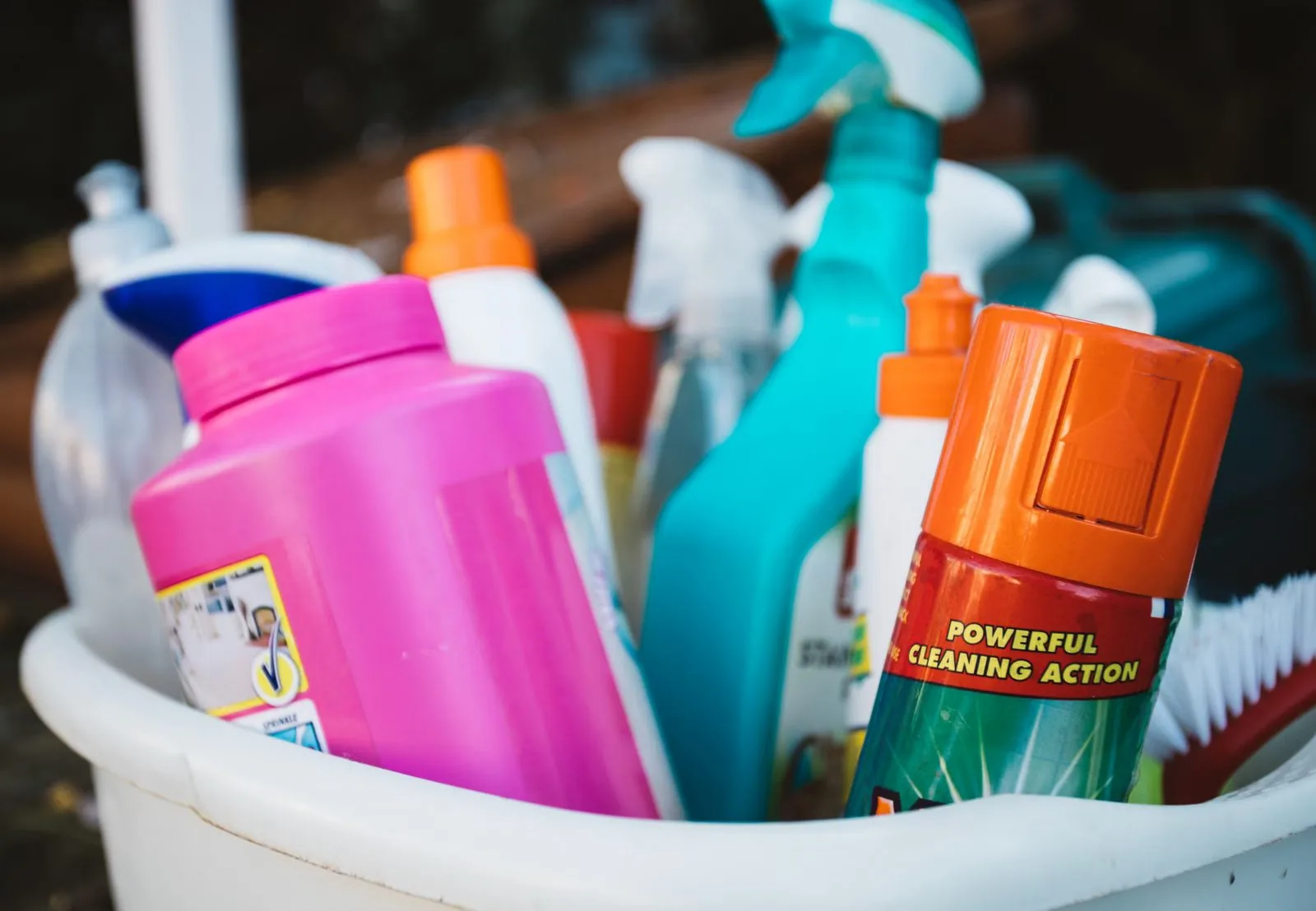
Bleach and ammonia are also off the list. Bleach can discolor the glass and damage the markings printed on it; ammonia leaves a film that bakes on at the next cooking and becomes a stain of its own. Never mix the two — the fumes are dangerous. And never use a cleaner that contains grit, even if the label says it is safe for glass. If you can feel grit between your fingers, it will scratch. Dish soap, baking soda, vinegar, and a dedicated glass cooktop cleaner are the only four products a glass stovetop needs, and the first three cost almost nothing. The cleaning supplies storage guide covers how to keep those four in a small kitchen without a whole shelf of specialty bottles.
Emergencies: burnt sugar and melted plastic
Burnt sugar is the one emergency that cannot wait. Sugar melts, bonds to hot glass, and hardens into something close to cement — and if it is reheated, it can pit the surface permanently. If sugar spills on a hot cooktop, turn off the burner, put on an oven mitt, and scrape the molten sugar off with a razor scraper while the glass is still warm (not hot enough to burn you, warm enough that the sugar is still soft). Then let it cool and clean normally. This is the one time to act before the glass is fully cool, and the one time the razor earns its keep.
Prevention and protecting your deposit
Most glass stovetop damage is preventable, and the habits are small. Use flat-bottomed pans — a warped pan rocks, concentrates heat in one spot, and scratches as it moves. Lift pans to move them instead of sliding them; sliding a cast iron skillet across glass is how the worst scratches happen, and the cast iron cleaning guide is a reminder that heavy iron and glass are not natural friends. Wipe the bottom of every pan before you set it down, because grit on the pan's base is sandpaper on the glass. And wipe up spills before the next time you cook, not after — a spill that gets reheated becomes a stain, and a stain that gets reheated five times becomes permanent.
Before you move in, photograph the stovetop — every burner, every corner, in good light — and keep the photos with your move-in checklist. If the glass already has scratches or a cloudy patch, those photos are the difference between your deposit and the landlord's repair bill. Do the same at move-out, after your final deep clean. If damage happens during your tenancy, tell the landlord early rather than hiding it: a small chip reported in month three is a maintenance issue, while the same chip discovered at the final inspection is a deposit deduction. Check the manual for your cooktop model before using any cleaner you are unsure about — the model number is on a sticker on the front edge of the cooktop or inside the oven door — and following it is the best defense if a landlord ever questions how you cleaned it.
📌 Pin this for later
How to Clean a Glass Stovetop in a Rental Kitchen — save it to your "Small Kitchen Organization" board.
Frequently asked questions
Can I use vinegar and baking soda on a glass stovetop?
Yes — it is the safest deep-clean method. Sprinkle baking soda over the stain, spray white vinegar on top, let it fizz for fifteen minutes, then lay a hot damp towel over it for another fifteen before wiping with a microfiber cloth. The paste is mildly abrasive enough to lift burnt food and far too gentle to scratch glass.
Will a razor scraper scratch a glass cooktop?
Not when used correctly. Glass is harder than the blade, so a fresh single-edge scraper held flat at about 30 degrees slides under residue instead of cutting the glass. Always wet the area first, use a fresh blade, keep the angle low, and never use a dry, chipped, or rusty blade — and never substitute a utility knife or metal spatula.
What should I never use on a glass stovetop?
Steel wool, abrasive scouring pads, scouring powder, oven cleaner, bleach, and ammonia. Steel wool and abrasives scratch the glass permanently on first contact; oven cleaner clouds and etches it; bleach discolors it and damages the printed markings. Dish soap, baking soda, vinegar, and a dedicated cooktop cleaner are all it needs.
How do I remove burnt sugar from a glass stovetop?
Act while the glass is still warm: turn off the burner, put on an oven mitt, and scrape the molten sugar off with a razor scraper. Then let the glass cool and clean normally with the baking soda and vinegar method. Burnt sugar hardens into cement as it cools and can pit the glass if reheated, so it is the one spill that cannot wait.