Every small rental kitchen has a bag pile — the drawer that will not close, the hook buried under twenty handles, the crumpled ball of plastic and canvas behind the door. Learning how to store reusable grocery bags in a small rental kitchen is not about buying a clever organiser; it is about giving the bags one small home, keeping only the ones you actually use, and folding them so they take up a fraction of the space they do now. Most renters carry far more bags than they need, and most of those are thin free ones from checkout, not the sturdy ones worth keeping.
This guide covers the whole bag pile: a sensible cap on how many to keep, the fold and roll methods that work for canvas, nylon, and insulated bags, and the three best homes for bags in a rental — by the door, under the sink, or in a drawer — all without drilling a single hole. Bags only: food containers have their own system.
Set a cap: 5–10 bags is enough
Before you organise the bags, count them. Most renters find twenty or thirty — mostly thin promotional totes that tear on the first heavy shop. A realistic cap for one or two people is five to ten bags: two large sturdy totes for the weekly shop, two or three medium bags for top-up trips, one insulated bag for chilled food, and one small foldable bag for unplanned stops.
Sort the pile into three groups: keep, recycle, and donate. Keep the bags that are sturdy, clean, and a useful size. Recycle the torn, stained, and paper-thin ones — most supermarkets have a bag recycling point near the entrance. Donate good spares to a charity shop or a food bank, which always needs bags. If you have more than ten keepers, keep the best ten and let the rest go; a bag you never reach for is clutter, not a backup.
Write the cap down somewhere you will see it — on the inside of a cupboard door, or as a note on your phone. Every time a new bag comes home, one old bag leaves. That one-in-one-out rule is the only thing that stops the pile from growing back within a month.
Fold and roll methods that actually work
Canvas totes fold flat, and flat is the whole trick. Lay the tote face down, fold the sides in, fold the bottom up, then fold the whole thing in half or in thirds until it is roughly the size of a paperback book. Stack the folded totes like books on a shelf or in a drawer, spine out, so you can pull one without disturbing the rest.
Nylon and polyester bags are thinner and lighter, so roll them instead. Lay the bag flat, fold it in half lengthways, then roll it tightly from the bottom up and secure the roll with its own handles or a small elastic band. A rolled nylon bag is about the size of a rolled pair of socks, and a dozen fit in a single drawer compartment or a small basket. Many nylon bags come with their own stuff pouch — if yours does, use it, because a bag in its pouch stays rolled and does not unravel.
Insulated bags are the awkward ones: they are bulky, they do not fold flat, and their foil lining cracks if you force them. Do not try to fold one into a small square — fold it in half once, lay it flat, and store it on top of the folded canvas stack or hanging from a hook, where nothing heavy sits on it. One insulated bag is usually enough; if you have three, keep the one with the sturdiest zip and let the others go.
Pick one home by the door
Bags are only useful if you remember them on the way out, so their home belongs by the door you leave through — not buried in a back cupboard. The best spot in most rental kitchens is a hook on the back of the kitchen door, a hook on the wall beside the door, or a small basket on a shelf near the exit. The rule is simple: the bags live where your hand passes on the way out, and nowhere else.
Use no-drill fixings only. A Command hook on the back of a door holds two or three folded totes easily, and it comes off cleanly at move-out with no holes and no deposit risk. An over-the-door hook rack holds more, but check the door closes properly with it fitted — a rack that stops the door latching is worse than no rack. If the door is too thin for a rack, a single adhesive hook on the wall beside the door does the same job.
Keep the everyday bag on the hook and the spares in the drawer or under the sink. If all ten bags live on the door hook, it is overloaded, the bags slide off, and the system collapses within a week.

Under-sink, door-back, and drawer homes
If the door is not an option, the under-sink cupboard is the next best home. Fold the bags flat, stack them in a small open basket or a plastic tub, and slide the tub to one side so it does not block the cleaning supplies. The under-sink storage guide covers how to divide that awkward cupboard so the bags, the bin, and the cleaning bottles each have their own zone.
A drawer works well too, if it is the right drawer. A shallow drawer near the door or the fridge is ideal: lay the folded bags flat in a single layer, or stand them upright in a row like files in a filing cabinet so you can see each one at a glance. Use a small divider or a cut-down cereal box to keep the row upright. Do not put bags in the same drawer as the food containers — the food container storage guide covers lids and boxes, and the two systems work best with a drawer each.
Whatever home you choose, keep it to one home. Bags spread across three cupboards, two drawers, and a door hook are not stored — they are lost. Pick the spot closest to the door, move every bag there, and let the other spots go back to holding the things they were meant for.
Canvas vs nylon vs insulated: what to keep
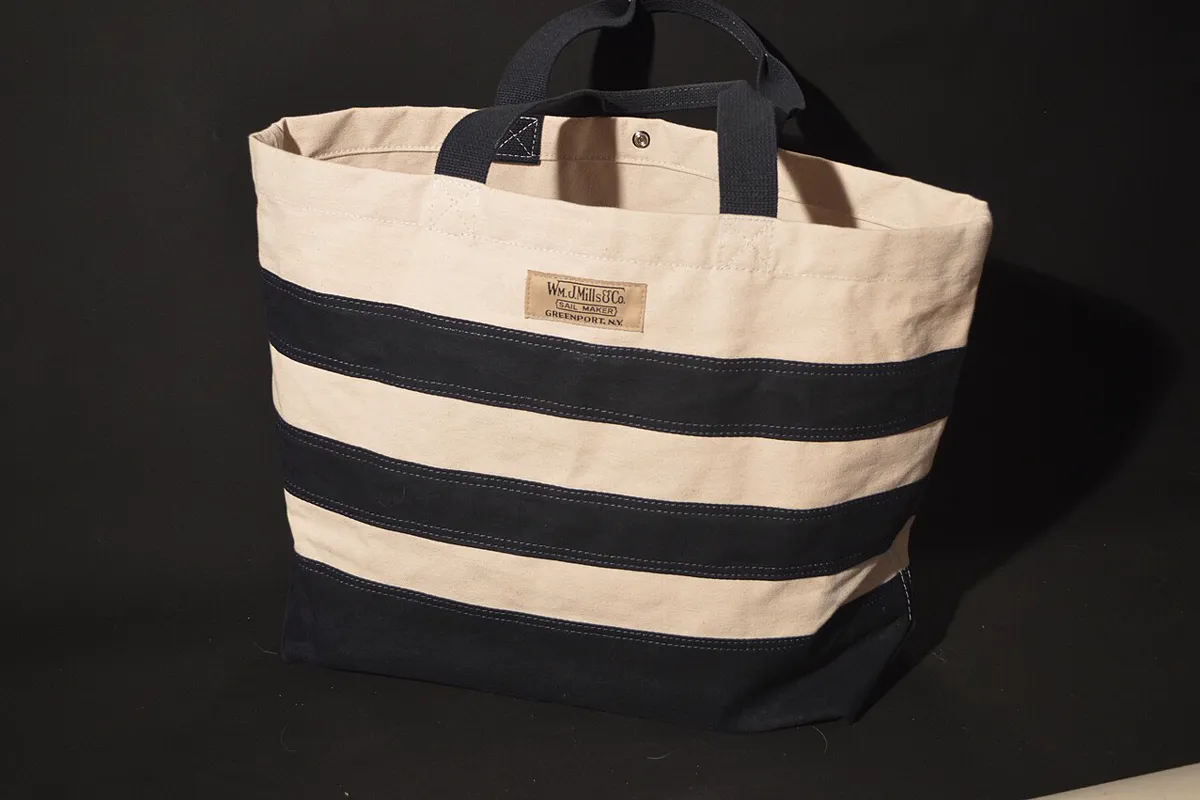
Canvas totes are the workhorses. They hold the most weight, they stand open on a checkout belt, they wash in the machine, and they fold flat for storage. Their only weakness is bulk — a thick canvas tote folded is still thicker than a nylon bag — so they are best for the weekly shop and worst for carrying in a pocket. Keep two or three good canvas totes, and retire any with a torn handle or a stained lining.
Nylon and polyester bags are the everyday carriers. They weigh almost nothing, they roll to the size of a sock, they wipe clean, and they are the ones to keep in your coat pocket, your handbag, or the car for unplanned stops. Their weakness is capacity — a thin nylon bag sags under heavy tins and its handles dig into your hands. Keep three or four, and choose the ones with reinforced stitching at the handles rather than the flimsiest free ones.
Insulated bags are specialists. They keep chilled and frozen food cold on the way home, and they are the only bag type that does that job. But they are bulky, they do not fold flat, and most households need exactly one. Keep the best insulated bag you own — the one with a working zip and no torn lining — and use it only for the cold shop. If you buy groceries in bulk, the bulk grocery storage guide covers what happens to the food once the bags are unpacked and go back to their hook.
📌 Pin this for later
How to Store Reusable Grocery Bags in a Small Rental Kitchen — save it to your "Small Kitchen Organization" board.
Frequently asked questions
How many reusable grocery bags should I keep in a small kitchen?
Five to ten is enough for most one- or two-person households: two large sturdy totes for the weekly shop, two or three medium bags for top-up trips, one insulated bag for chilled food, and one small foldable bag for unplanned stops.
What is the best way to fold reusable grocery bags?
Fold canvas totes flat in thirds until they are roughly the size of a paperback book, and stack them like books. Roll thin nylon bags tightly from the bottom up and secure the roll with the handles or an elastic band. Insulated bags should only be folded in half once, because forcing them flat cracks the foil lining.
Where should I store reusable bags in a rental kitchen?
By the door you leave through — on a no-drill Command hook or an over-the-door rack on the back of the kitchen door, or in a basket near the exit. If the door is not an option, a folded stack in a basket under the sink or in a shallow drawer near the door works well. Keep all the bags in one home, not spread across cupboards.
Can I hang bags on the wall in a rental?
Yes, if you use no-drill fixings. Adhesive hooks and over-the-door racks leave no holes and come off cleanly at move-out. Do not screw hooks into walls or doors in a rental — a drilled hole is a deposit deduction, and an adhesive hook holds folded totes perfectly well.
How do I stop the bag pile from growing back?
Use a one-in-one-out rule: every time a new bag comes home, one old bag leaves. Keep the cap at ten, store all the bags in one home by the door, and say no to free promotional bags at checkout unless you genuinely need one. A bag you never reach for is clutter, not a backup.