Two or three adults sharing one small rental kitchen is a different problem from organising a kitchen for yourself. When you share, your roommate's cereal boxes end up on your shelf, their dishes sit in your sink, and nobody can remember whose olive oil is whose. Learning how to organize a shared kitchen with roommates is less about buying more storage and more about agreeing on a system — who owns which space, what is shared, and who cleans what, and when. Get the system right and a tiny kitchen with three cooks can work; get it wrong and the kitchen becomes the thing you argue about daily.
This guide covers the sharing system only: how to divide the shelves, the fridge, and the cleaning fairly, and how to keep it working after the first month. It assumes you already have the basics — a few risers, a cart, a place for everything — and focuses on the part nobody sells you in a container store: the rules between the people using the kitchen. The studio apartment kitchen organization guide covers the space-saving basics this system sits on top of.

Start with a shelf and a cabinet shelf each — and stick to it
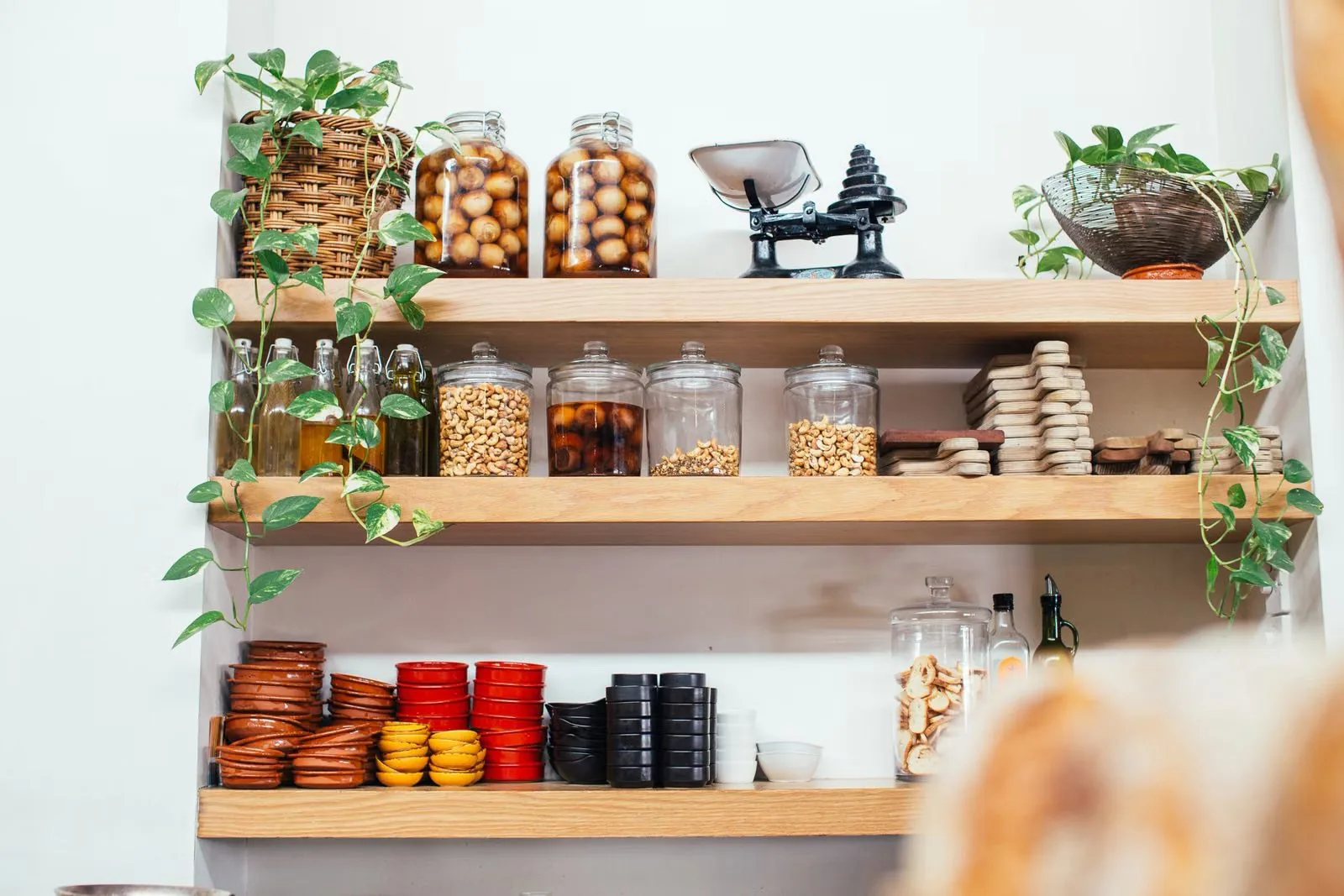
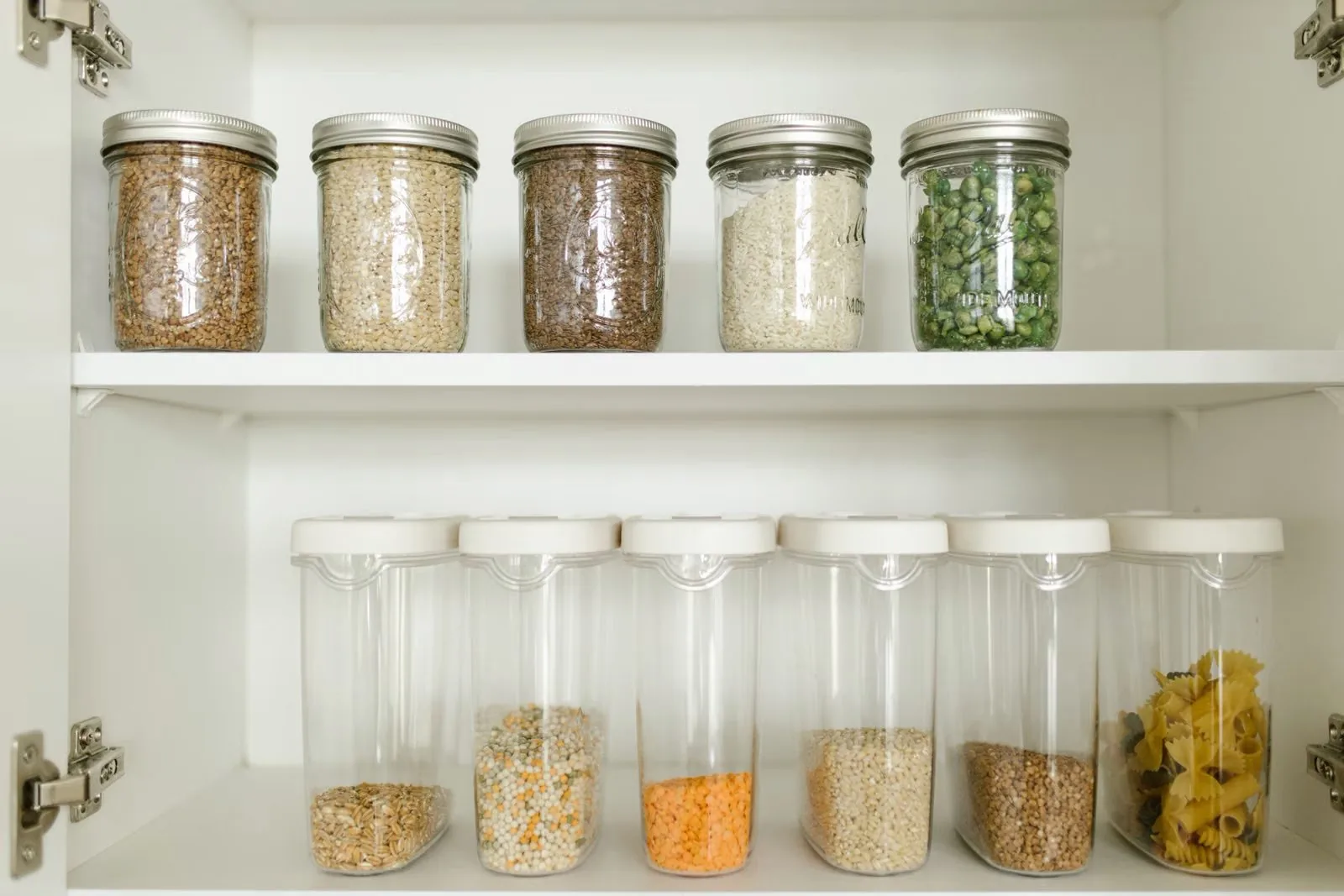
The single most important rule of a shared kitchen is also the simplest: every person gets one pantry shelf and one cabinet shelf, and nobody stores anything on anyone else's shelf. Not "just this one bag of rice" — nothing. The moment one person's things spill onto another's shelf, the division is meaningless, and the kitchen drifts back to a shared pile where nobody can find anything.
Divide the space before you unpack, not after. Stand in front of the cupboards together and assign them out loud: top shelf left is yours, middle shelf right is theirs, the deep cabinet by the stove is the third person's. Eye-level shelves are the most convenient, so rotate them every few months. If the shelves are too few — two cupboards for three roommates, for instance — move the overflow to a personal spot outside the kitchen, like a shelf in your bedroom for snacks. And respect the boundary even when it is inconvenient: when you come home with groceries and your shelf is full, eat what is already there first — never stack your cans on your roommate's shelf "just for tonight," because tonight becomes a week, and a week becomes the new normal.
Keep one shared-staples shelf — with a rotation, not a free-for-all
Some things make no sense to buy three times: cooking oil, salt, pepper, soy sauce, dish soap, bin bags. These go on one shared-staples shelf, bought with shared money and used by everyone. It should be the easiest shelf to reach, because everyone touches it daily, and small — one shelf, not a whole cupboard — so it never becomes a dumping ground.
The shelf only works with a rotation. Agree on a simple rule: whoever finishes a staple replaces it, and when you open the last bottle of oil, you write it on the shared shopping list that same day. Set a small monthly staples budget — a few dollars each per week, collected in a jar or a shared payment app, with a photo of the receipt in the house group chat. Money is where shared kitchens quietly turn sour, and a transparent kitty prevents the slow resentment of one person always buying the washing-up liquid while another never does. If someone does not want to join the shared shelf, that is fine too — they buy their own oil and keep it on their own shelf, clearly labelled, and they do not touch the shared bottle. Review the shared shelf once a month and throw out anything expired.
Label everything with names and dates
Labels are not fussy in a shared kitchen — they are the only thing standing between your leftovers and someone else's dinner. A roll of masking tape and a marker cost almost nothing and solve the three most common disputes: whose food is this, when was it made, and is it still safe to eat.
Label every container that goes into the fridge with a name and a date: "Aisha — 23 Nov" on the pasta, "Ben — 22 Nov" on the curry. Anything without a name and a date is fair game for the weekly clear-out, and that rule should be agreed in advance so nobody feels robbed when their unlabelled container goes in the bin. Dates matter more than names: cooked food keeps about three to four days in the fridge, so a date lets everyone judge for themselves, and it gives the weekly clear-out a fair rule — anything older than four days, or with no date at all, goes. Keep the tape and marker where everyone can reach them, stuck inside a cupboard door or beside the fridge.
Divide the fridge into zones, one per person
The fridge is where shared kitchens fail most visibly, because it is the one space everyone opens ten times a day. Without zones, it becomes a jumble: your milk behind their leftovers, their vegetables on top of your cheese, and a smell nobody can trace. Divide it the same way you divided the shelves — one zone per person — and enforce it the same way.
A practical split for a standard rental fridge: one person takes the top shelf, one takes the middle shelf, and one takes the bottom shelf and the crisper drawers, rotating monthly so nobody is permanently stuck with the coldest shelf. The door shelves hold the shared condiments, and small fridge bins in a different colour per person make the zones obvious at a glance. The freezer needs the same treatment: one shelf or basket per person, labelled, cleared monthly of anything unlabelled or older than three months. If your rental fridge is genuinely too small for three people, the honest fix is a small chest freezer shared between the household or a mini-fridge in a bedroom. For more on making a small fridge work, see the small fridge organization guide.
Cull the duplicate appliances — keep one, store or sell the rest
Three roommates usually means three kettles, two toasters, two blenders, and a rice cooker nobody uses. A small rental kitchen has no room for duplicates, and every duplicate is a piece of counter space you will never get back. Sit down together, lay out what everyone owns, and keep the best one of each — the fastest kettle, the toaster that actually browns both sides — and move the rest out of the kitchen.
The spares do not have to be sold — store them in a bedroom cupboard or under a bed as backups. But they must leave the kitchen, because three kettles on the counter leave no room to chop an onion. The same rule applies to duplicate utensils, mugs, and pans: keep one set of everyday items in the kitchen, and let each person keep special pieces in their own room. Agree now on who owns the kept appliance and who replaces it if it breaks — the shared kitty or the next person in the rotation — and label it with the owner's name, so move-out brings no argument over who bought the kettle.

Agree a cleaning rota — and make it visible
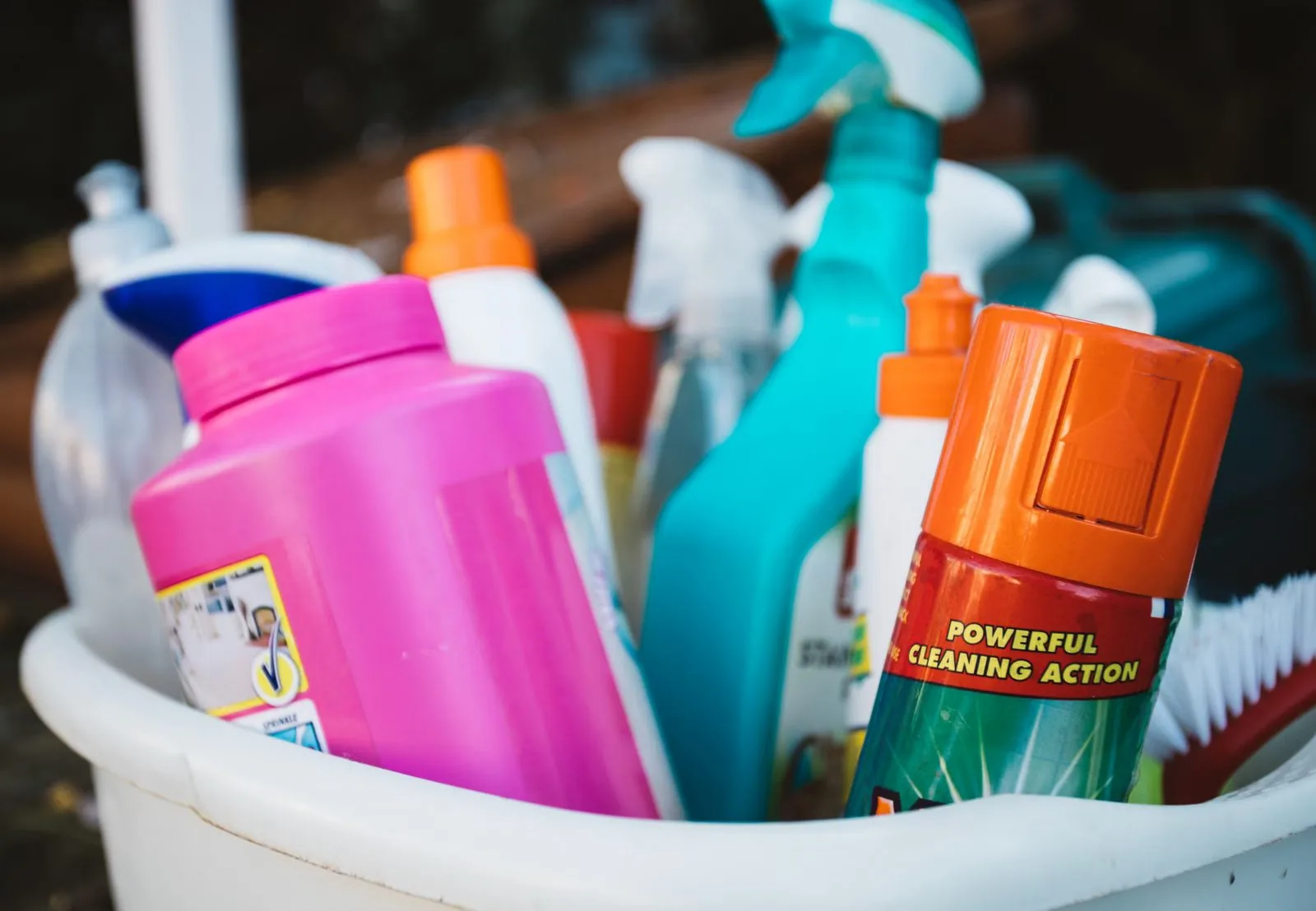
A shared kitchen stays clean only when cleaning is scheduled, not when everyone promises to "clean up after themselves." The problem is the shared jobs nobody owns: wiping the counters, taking out the bin, cleaning the hob, mopping the floor. Without a rota, those jobs fall to whoever cares most, and that person eventually stops caring, loudly.
Write the rota down and stick it on the fridge. Keep it simple: each person takes one shared job per week on rotation — one person wipes surfaces and the hob, one takes out the bins and recycling, one cleans the sink and mops. Rotate weekly so nobody is permanently on bin duty. And add the golden rule: your own dishes are washed or loaded within an hour of cooking, not left to soak overnight. A sink full of someone else's pans is the fastest way to poison a shared kitchen. Add a weekly ten-minute reset, ideally on a Sunday evening: everyone clears the counters, wipes the surfaces, takes out the bins, and checks the fridge together. Ten minutes a week prevents the two-hour deep clean nobody wants to do alone. The kitchen drawer organization guide helps keep the shared cutlery and utensils in order so the person on cleaning duty is not also hunting for a missing spatula.
📌 Pin this for later
How to Organize a Shared Kitchen With Roommates in a Small Rental — save it to your "Small Kitchen Organization" board.
Frequently asked questions
How do you divide a small kitchen between roommates?
Give every person one pantry shelf and one cabinet shelf, plus one fridge zone each, and keep one small shared-staples shelf for oil, salt, dish soap, and bin bags. Write it down and rotate the best shelves every few months.
What should roommates share in a kitchen?
Share the cheap consumables everyone uses daily: cooking oil, salt, pepper, dish soap, sponges, and bin bags, bought from a small shared kitty. Keep everything else on your own shelf, clearly labelled.
How do you stop roommates from eating your food?
Label every container with a name and a date, and agree that anything unlabelled is fair game for the weekly clear-out. Keep your food on your own shelf and in your own fridge zone — and anything expensive in your bedroom.
How do you split cleaning in a shared kitchen?
Write a rota and stick it on the fridge: each person takes one shared job per week — surfaces and hob, bins and recycling, or sink and floor — and rotates weekly. Wash your own dishes within an hour of cooking, and do a ten-minute reset together once a week.
What do you do with duplicate appliances in a shared kitchen?
Keep the best one of each appliance in the kitchen and store the spares in a bedroom. Label the kept appliance with its owner's name, and agree in advance who replaces it if it breaks.