The guests leave, the dishes pile up, and suddenly you have to fit six dishes of holiday leftovers into a fridge that was already full on Wednesday. Learning how to store holiday leftovers in a small kitchen is not about buying a bigger fridge — it is about a system: the right containers, a two-hour rule, a fridge zone that works in miniature, and a freezer plan that turns the overflow into next week's dinners instead of next week's trash.
This guide is the after-party companion to hosting in a small rental kitchen. It covers the night-of pack-up, the small-fridge stacking rules, what freezes well and what does not, and a day-by-day eat-down plan so nothing sits long enough to become a mystery container.
Before dinner: set up the pack-up
1. Clear the fridge before you cook
The best leftover storage starts before the meal. Two days before a holiday dinner, eat down what is already in the fridge, toss expired condiments, and move rarely used bottles to the door. Clear one shelf — or at least one clear bin — and label it the leftovers zone in your head. If your fridge is tiny, this one move matters more than any container you buy: a fridge that starts the holiday empty-ish can actually receive the holiday. A quick pass with the small-fridge zone system before the big shop makes the night-of pack-up ten times faster.
2. Have containers ready, and make them square
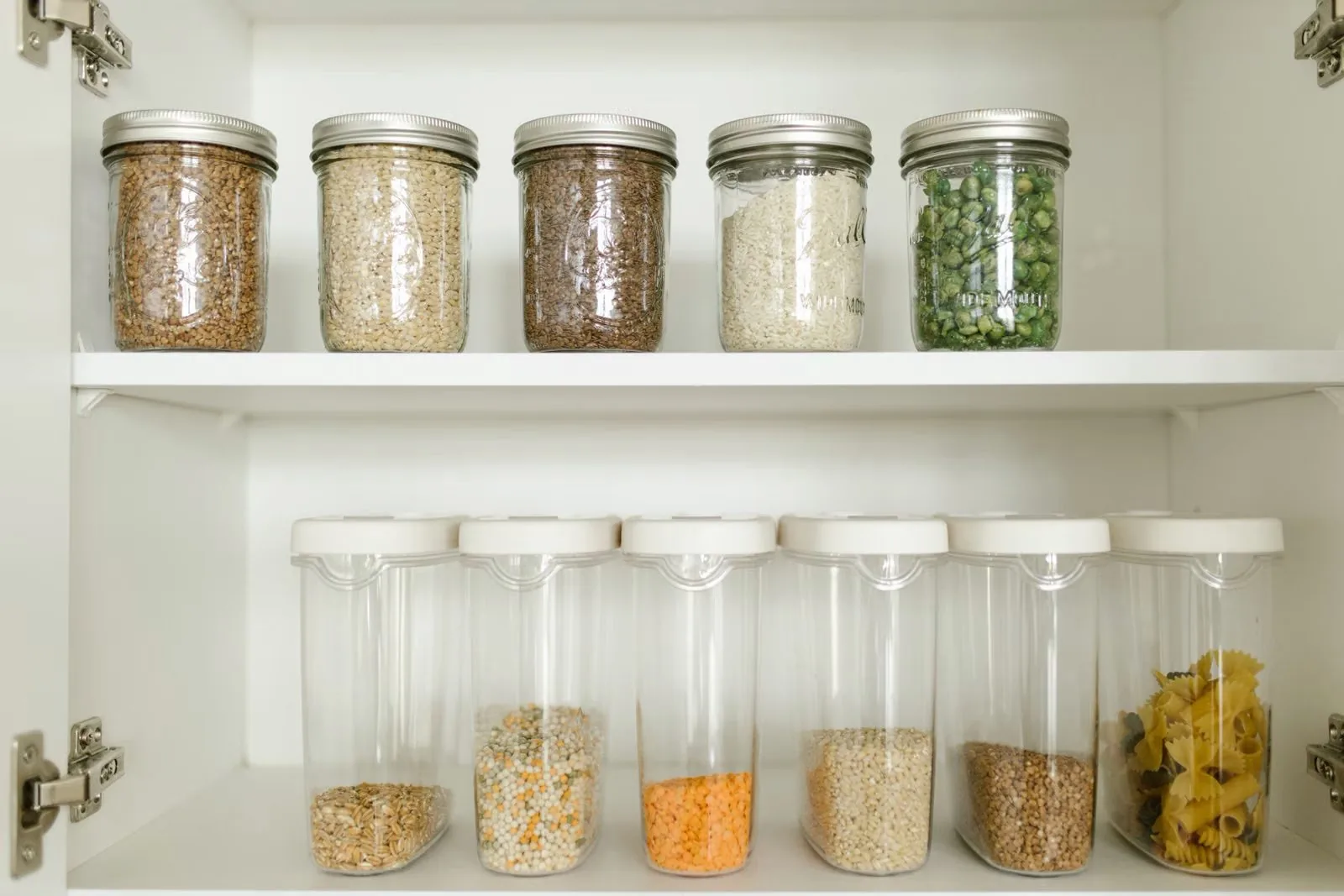
Round bowls and foil-covered plates are the enemy of a small fridge: they waste corners, stack badly, and hide what is inside. Before guests arrive, set out a stack of square or rectangular containers with lids, plus masking tape and a marker for labels. Flat, shallow containers cool food faster and stack into neat columns; deep pots and mixing bowls do neither. If you are short on containers, ask guests to bring their own — a "bring a container, take leftovers home" note in the invitation is the oldest small-kitchen trick there is, and it halves what you have to store.
3. Plan a cooler as your overflow fridge
A cooler with ice is a legitimate second fridge for one night: drinks, desserts, and sturdy sides can live there while the main fridge takes the perishables that matter most — turkey, gravy, and creamy dishes. This is also how you survive a small fridge on the day itself, when ingredients and finished dishes compete for the same shelves. Keep the cooler closed as much as possible, keep raw and cooked foods in separate sealed containers, and move anything perishable back into the real fridge within a couple of hours.
The night-of pack-up
4. Follow the two-hour rule
Get leftovers into the fridge within two hours of serving — faster if the room is warm. Do not leave the turkey on the counter "to cool" all evening; that is how a small kitchen turns a feast into food waste. Divide hot food into shallow containers so it cools quickly instead of sitting warm in the middle of a deep pot, and leave lids slightly vented for the first half hour so steam escapes rather than condensing into soggy food. Once containers feel cool to the touch, seal them and stack them.
5. Label everything with the dish and the date
No one eats mystery food. Write the dish and the date on masking tape and stick it where you can read it without moving the container — the lid's edge or the front face, not the bottom. If you already know the next use, add it: "turkey — soup," "mashed potatoes — potato cakes," "gravy — noodles." A label turns a container into a plan, and a date turns it into a deadline. Unlabeled leftovers are the ones that get tossed a week later, and in a small kitchen, every tossed container is space you paid for twice.
6. Build the leftovers zone, eat-first on top
Put all leftovers in one dedicated spot — one shelf, one bin, or one drawer — instead of scattering them across the fridge. Within that zone, stack by deadline: eat-first items on top and at the front (turkey, creamy sides, cut fruit, gravy), sturdier items below and behind (roasted vegetables, rolls, grain salads, cranberry sauce). Keep raw ingredients on lower shelves, below ready-to-eat food, so nothing drips onto what you will eat cold. This one zone also stops the classic small-fridge failure: opening the door, seeing chaos, and ordering takeout while perfectly good food hides behind the milk.
Make the freezer do the heavy lifting
7. Freeze on night one, not day four
Most holiday leftovers keep three to four days in the fridge — after that, they belong in the freezer or the trash, and the freezer decision should happen on night one, not when you discover the container on day five. Freeze turkey, gravy, soups, and most cooked vegetables in meal-size portions; flat freezer bags stacked like files use far less space than rigid tubs and thaw faster. Label bags with the dish, the date, and the reheating plan, and squeeze out the air before sealing to prevent freezer burn.
8. Know what does not freeze well
Not everything survives the freezer. Creamy potato dishes, salads with dressing, and anything with raw crunchy vegetables tend to turn grainy or soggy when thawed — eat those within the fridge window instead of freezing them. Bread, rolls, and pie dough freeze beautifully; whole pies are trickier, so freeze slices instead. And remember the freezer-first approach from holiday baking: the freezer is a pantry for cooked food, not a graveyard. If you would not happily eat it reheated, do not freeze it — send it home with a guest instead.
9. Stack the small fridge like Tetris
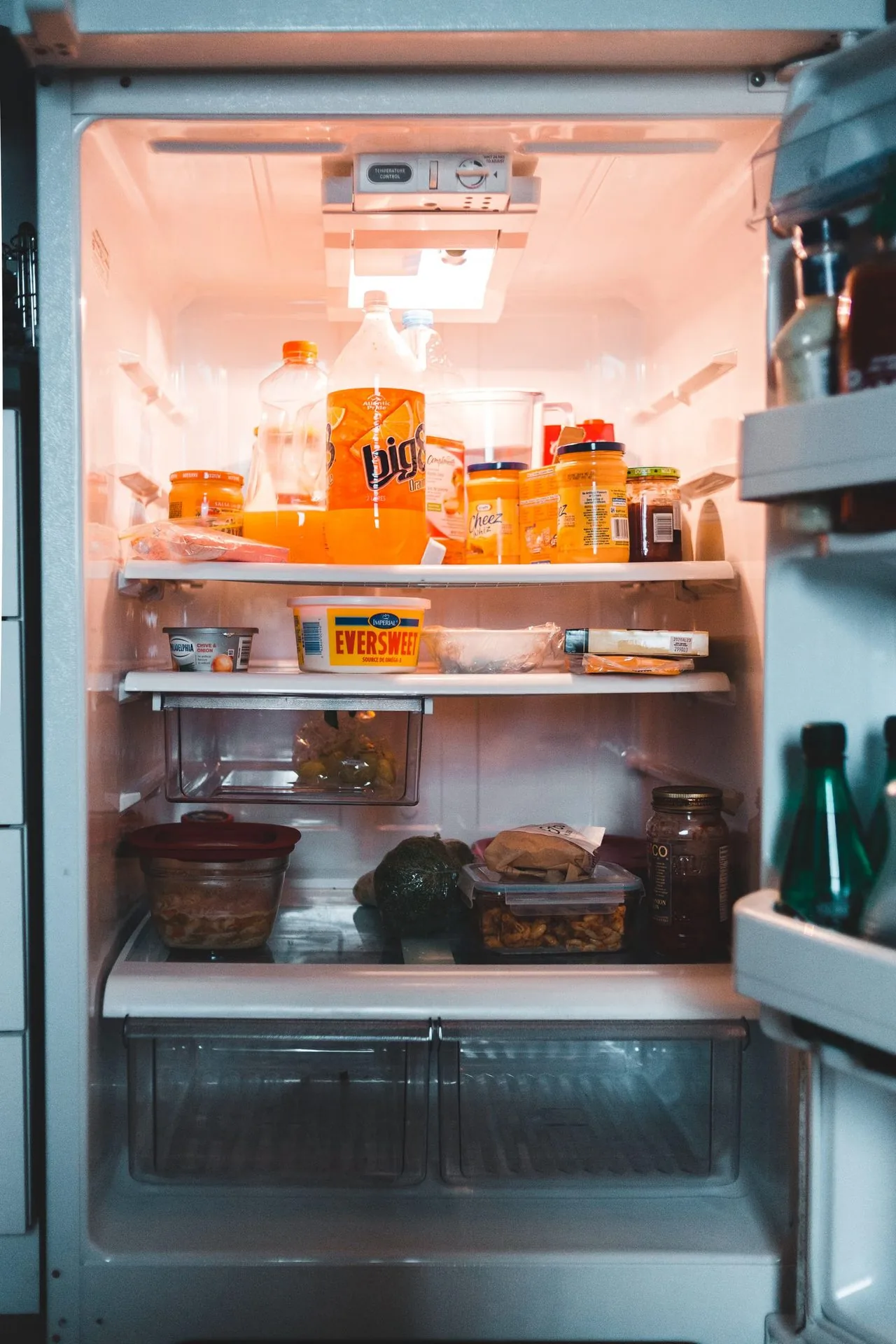
In a small fridge, shape is storage. Square containers stack into stable columns; flat items like sliced pie or leftover flatbread slide into the gaps between them. Remove bulky packaging — cereal boxes, takeout clamshells, oversized bottles — and decant what you can into smaller containers. Use the door only for condiments and sturdy items, never for milk or leftovers that need steady cold. And leave a little air space around each stack: a fridge packed solid cannot circulate cold air, and uneven cooling is what spoils food fastest in an overstuffed fridge.
The eat-down plan
10. Follow a four-day clock
Day one is the feast itself. Day two is the best leftovers day — the big second meal, sandwiches, and plates for anyone still around. Days two and three are for planned second meals: turkey soup, mashed-potato cakes, gravy over noodles, cranberry sauce on toast. Day four is decision day: eat it, freeze it, or toss it — no fifth-day exceptions for turkey, gravy, or creamy sides. If something smells off, looks slimy, or you cannot remember when it went in, throw it out; the general food-safety guidance is three to four days for cooked holiday leftovers, and a small fridge that runs warm shortens that window, not lengthens it.
11. Turn leftovers into meals, not snacks
Leftovers that stay as "extras" get ignored; leftovers assigned to a meal get eaten. Before you pack up, decide the second act for each dish: turkey becomes soup or sandwiches, mashed potatoes become potato cakes, roasted vegetables go into grain bowls, cranberry sauce becomes a sandwich spread. Write the plan on the label or on a note on the fridge, and cook the second meal before you cook anything new. This is also the kindest thing you can do for your post-holiday grocery bill: a fridge full of planned meals is a week you barely need to shop for.
12. Send food home, and keep the good containers
The fastest way to empty a small fridge is to share the feast. Pack guest portions in containers you do not need back — or in the containers guests brought — and send them home at the door, not the next day when everyone has forgotten. Keep your good square containers for yourself and your freezer portions. A small kitchen does not have to hold the whole holiday; it just has to hold your share of it, well labeled, well stacked, and eaten on time.
The $15 holiday leftovers kit
A set of square, stackable containers with lids (~$10), a roll of masking tape and a marker (~$2), and a pack of flat freezer bags (~$3). If you already own the containers, the kit costs almost nothing — the system is the purchase, not the plastic.
📌 Pin this for later
How to Store Holiday Leftovers in a Tiny Kitchen — save it to your "Small Kitchen Organization" board.
Frequently asked questions
How long do holiday leftovers last in the fridge?
As a general rule, cooked holiday leftovers keep three to four days in the refrigerator. Eat turkey, gravy, and creamy sides first, and freeze anything you will not eat within that window — freezing on night one is far better than discovering the container on day five.
How do you fit holiday leftovers in a tiny fridge?
Clear the fridge before the holiday, use square stackable containers instead of round bowls, give leftovers one dedicated zone with eat-first items on top, and use a cooler with ice as overflow for drinks and sturdy sides. Removing bulky packaging frees surprising amounts of space.
What holiday leftovers freeze well?
Turkey, gravy, soups, cooked vegetables, bread, and rolls freeze well in meal-size portions — flat freezer bags stacked like files save the most space. Creamy potato dishes, dressed salads, and raw crunchy vegetables do not freeze well, so eat those within the fridge window instead.
Can I leave holiday food out overnight to cool?
No — get leftovers into the fridge within two hours of serving. Divide hot food into shallow containers so it cools quickly, leave lids vented briefly so steam escapes, then seal and stack once containers feel cool.
How do I stop leftovers from being forgotten and wasted?
Label every container with the dish and the date, plus its next use if you know it ("turkey — soup"). Keep all leftovers in one zone, stack eat-first on top, and follow a four-day clock: eat it, freeze it, or toss it by day four.