A small kitchen declutter checklist is the step most renters skip — and the reason most organizing projects fail. Buying bins and baskets before decluttering just gives your clutter nicer containers. In a tiny rental kitchen, every item has to earn its square inch, because there are so few of them.
This is a room-by-room checklist for decluttering a small rental kitchen before you organize anything: the duplicates to ditch, the expired items hiding in your cabinets, the "one in, one out" rule that keeps clutter from returning, donation and selling tips for renters, and a simple maintenance routine.
Why Declutter Before You Organize
Organization answers the question "where does this go?" Decluttering answers the harder question: "should this be here at all?" In a small kitchen, the second question matters more, because storage space is fixed — you cannot drill new shelves into a landlord's cabinets or knock out a wall for a pantry. The only way to gain space is to own less.
The practical payoff is immediate: fewer items means every cabinet closes easily, you can actually see what you own (so you stop buying duplicates), and cleaning takes half the time. Do this checklist first, then organize what remains with ideas from our renter-friendly small kitchen storage ideas — the organizing will be ten times easier with half the stuff.
Set a timer for 45 minutes per zone and work in one pass: keep, donate/sell, trash/recycle. Do not "maybe" pile — every maybe is a decision you are postponing, and postponed decisions are how clutter survives.
Zone 1: Cabinets and Drawers — The Duplicates Purge
Open every cabinet and drawer and pull out the duplicates. Tiny kitchens collect them silently: the second can opener, three vegetable peelers, the novelty mug collection, six wooden spoons when you use one.
- Cooking utensils: keep one of each type you actually use weekly. The third spatula goes.
- Pots and pans: most renters cook 90% of meals with one skillet, one saucepan, and one sheet pan. Specialty pieces you have not touched in six months are donation candidates.
- Knives: a chef's knife, a paring knife, and a serrated knife cover nearly everything. Dull extras and novelty sets take up a whole drawer for nothing.
- Food storage containers: match every lid to a base. Anything lidless or baseless goes in recycling — and be honest about how many you need for a one- or two-person household (usually 6–8, not 20).
- Mugs and glasses: keep what fits your household plus two for guests. A two-person apartment does not need fourteen mugs.
The rule of thumb: if you have not used it in the last 3–6 months and it is not seasonal (like a holiday baking pan), it is clutter wearing a costume.
Zone 2: The Pantry Area — Expired and Forgotten
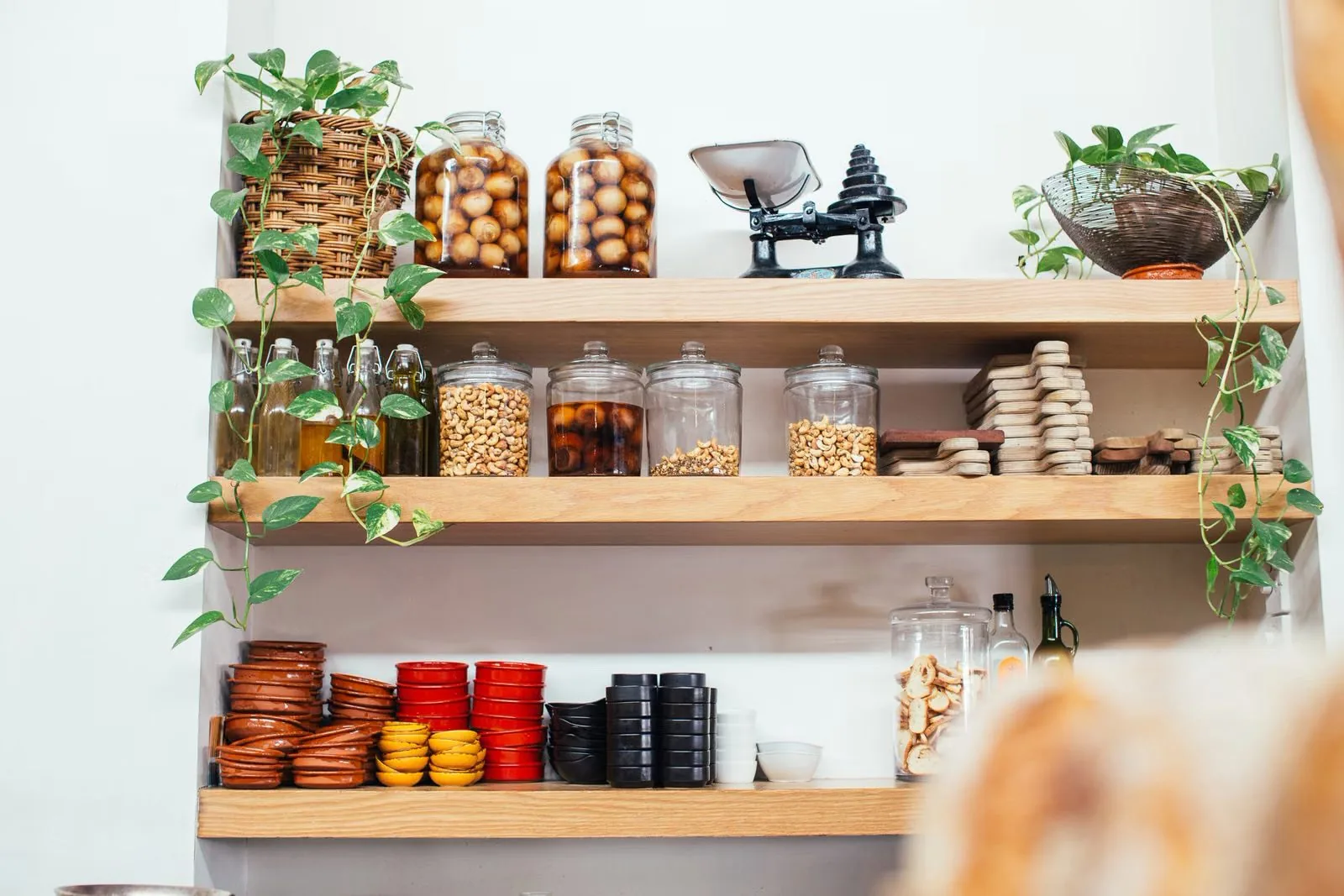
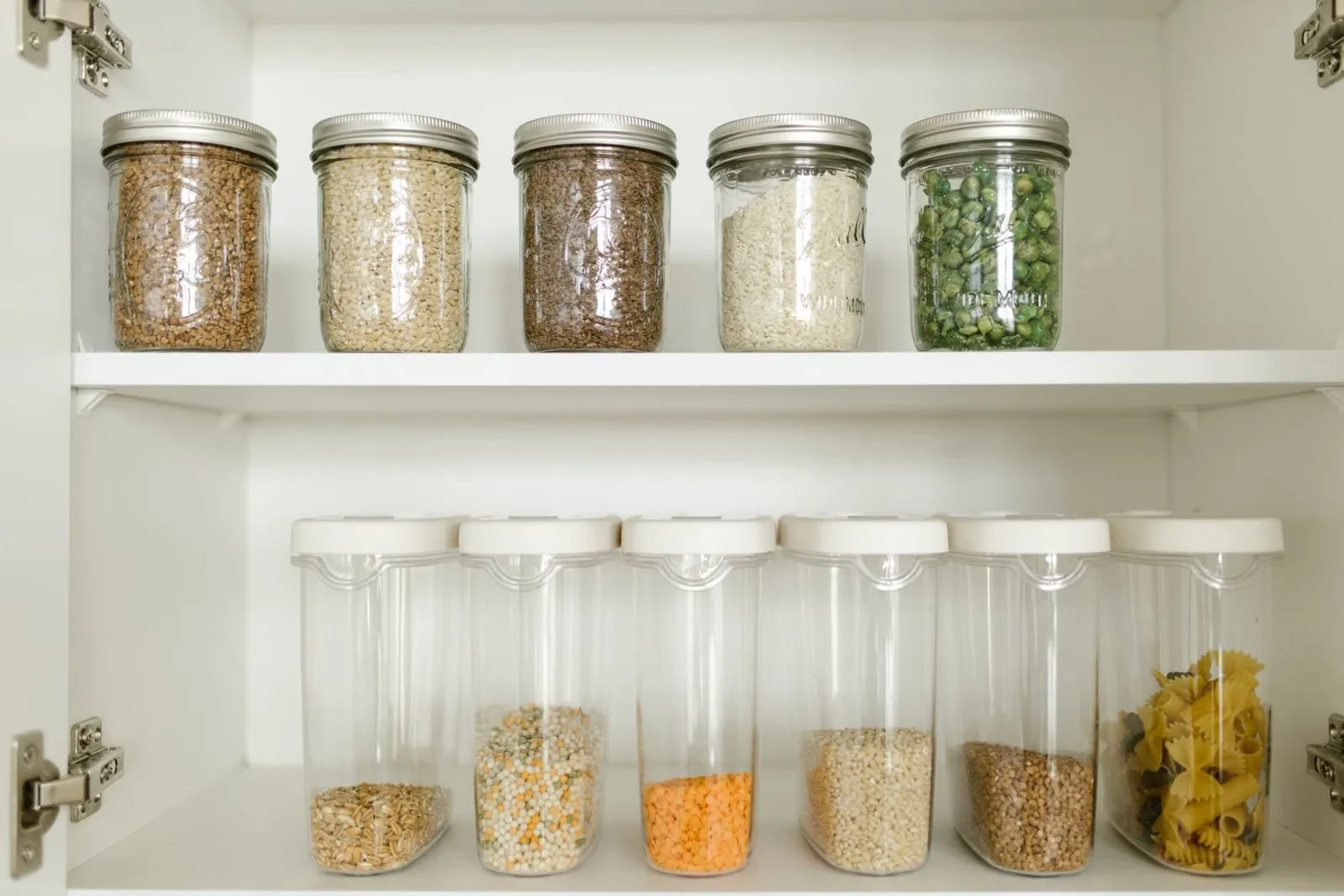
No pantry? Whatever serves as yours — a cabinet, a shelf, a rolling cart — needs this pass. Canned goods, spices, oils, and baking supplies all expire or go stale, and renters tend to stock up "just in case" in ways that outpace actual cooking.
- Check dates on canned goods, condiments, baking powder, and spices. Toss anything expired — expired baking powder is the classic: it looks fine and does nothing.
- Smell ground spices older than a year; if they smell like dust, they taste like dust. Replace only the ones you actually cook with.
- Consolidate half-used duplicates: two open bags of flour become one; three nearly-empty hot sauces become a decision.
- Pull out the "aspirational" groceries — the specialty ingredients bought for one recipe two years ago. If the recipe is not happening this month, donate unexpired items to a food bank.
Renters without a real pantry should read our no-pantry storage ideas for rental kitchens after this purge — organizing a lean pantry is a completely different (and easier) job than organizing a stuffed one.
Note: Donate unexpired, sealed food to a local food bank or community fridge rather than tossing it. Many accept drop-offs with no appointment — a quick search for "community fridge near me" usually finds one within a few miles.
Zone 3: Countertops — The Minimalist Reset
A minimalist rental kitchen starts with the counters, because counters are your only real workspace. The goal: only daily-use items earn counter space. Everything else lives in a cabinet.
- Keep: coffee maker or kettle (if daily), knife block or dock, dish soap, one cutting board, paper towel holder.
- Rehome: the toaster you use twice a month, the blender, the stand mixer attachments, the decorative items collecting grease.
- Question the "just in case" appliances: if it has not been used in a month, it belongs in a cabinet or storage — not on 2 square feet of precious counter.
- Corral the keepers: a small tray under the dish soap and sponge keeps the sink area tidy without adding clutter.
For what to do with the items that earn their spot, our small kitchen counter organization guide shows how to arrange them so the counters stay clear and workable.
Zone 4: Under the Sink and Cleaning Supplies
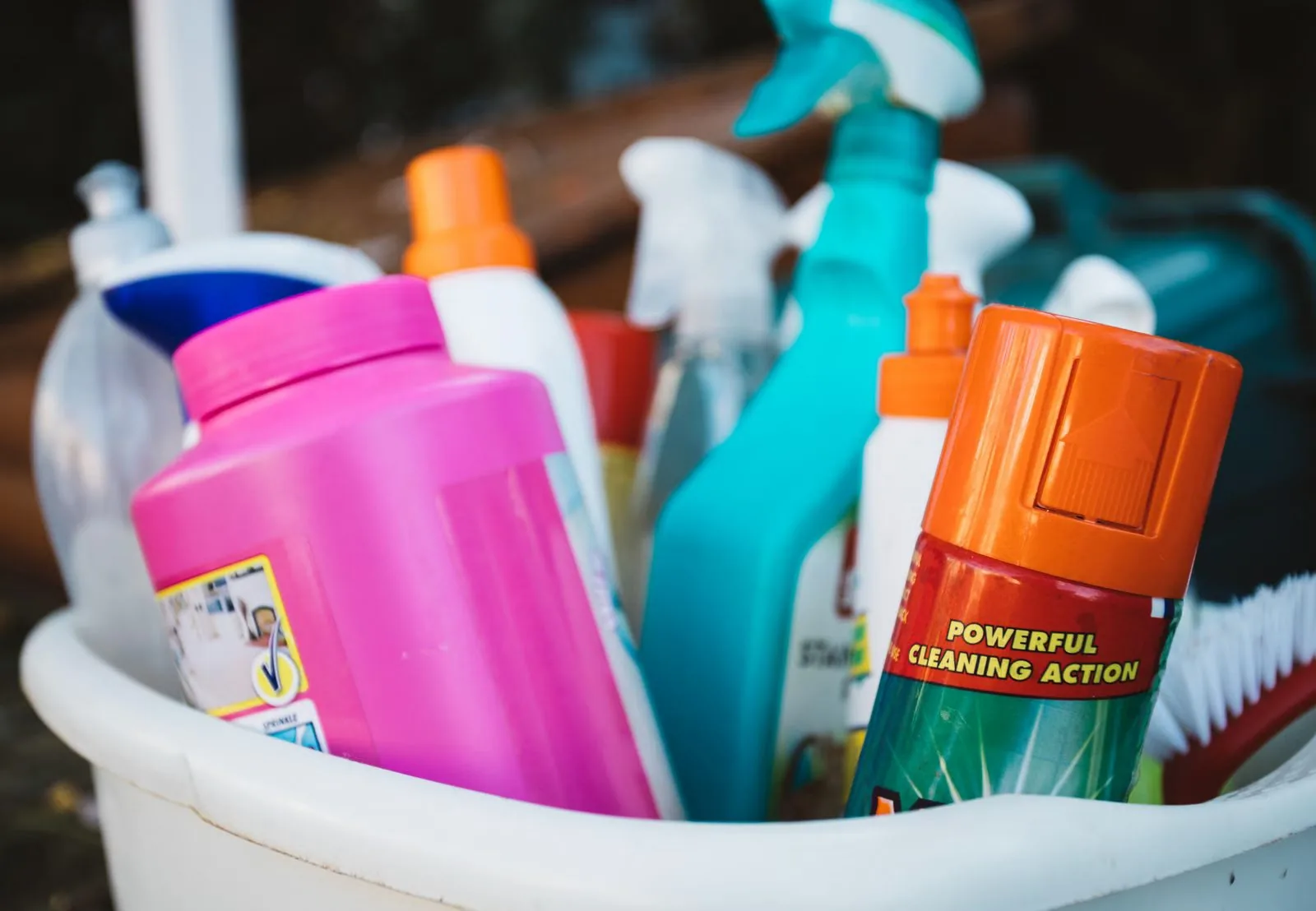
This cabinet is where half-empty bottles go to reproduce. Pull everything out:
- Toss anything dried out, separated, or past its prime — old sponges, crumbling scrub pads, mystery bottles with no label.
- Consolidate: you do not need three all-purpose sprays. Pick one and donate or use up the rest.
- Keep one set of daily cleaners in a caddy and relegate backups to a single overflow box — never scattered across three cabinets.
- Check for leaks while the cabinet is empty (see our guide to under-sink storage for the full setup).
Zone 5: The Fridge and Freezer
People forget the fridge is storage too — and it clutters just like a cabinet. Toss expired condiments (salad dressing from 2023, we see you), freezer-burned mystery bags, and leftovers older than four days. Wipe a shelf while you are in there. A decluttered fridge means you can see what you have, which means less food waste and fewer duplicate grocery buys.
Take a photo of your fridge and pantry shelves after decluttering. Keep it on your phone — it becomes your "do I already have this?" reference at the grocery store and stops duplicate buying cold.
The "One In, One Out" Rule
Decluttering once is satisfying; keeping it decluttered is the actual skill. The one in, one out kitchen rule is simple: every time a new kitchen item enters the apartment, an old one leaves. New mug? An old mug gets donated. New pan? The warped one goes.
Make it stick:
- Keep a small donation bag in a closet or by the door — when something fails the "one in, one out" test, it goes in the bag immediately, not "later."
- Apply the rule to groceries too: finish or toss the old condiment before opening the new one.
- Do a 10-minute monthly sweep of one zone (rotate through the five zones above) — small, regular passes beat another marathon purge next year.
- Before buying any kitchen gadget, ask: where will it live, and what leaves to make room? If there is no answer, do not buy it.
Donate, Sell, or Toss: Renter-Friendly Options
Getting rid of things in a rental has its own logistics — no garage for a yard sale pile, no basement to stage donations. Workable options:
- Donate: thrift stores and shelters take kitchen goods; many offer scheduled pickups if you have a larger load. Bag as you go and drop off within the week so bags do not become new clutter.
- Sell: small appliances and specialty items in good condition sell quickly on local marketplaces. Price to move — the goal is the item gone, not maximum profit.
- Building swap: many apartment buildings have a lobby swap shelf or group chat — post usable items there first; they disappear fast and you meet neighbors.
- Toss/recycle: broken, stained, or missing-part items are trash. Recycle what your building accepts (glass, metal, certain plastics) and let the rest go without guilt.
Pin this: The 5-zone declutter checklist: ① Cabinets — ditch duplicates ② Pantry — toss expired ③ Counters — daily-use only ④ Under sink — consolidate cleaners ⑤ Fridge — clear the forgotten. Then: one in, one out, forever.
FAQ
How do I start decluttering a small kitchen when it feels overwhelming?
Start with one zone — the utensil drawer or one cabinet — and set a 45-minute timer. Pull everything out, sort into keep, donate/sell, and trash, and put back only the keeps. Finishing one small zone builds momentum for the next, and each zone gets faster as you learn your own patterns.
What should I get rid of first in a tiny kitchen?
Duplicates first: the second can opener, extra spatulas, lidless containers, and mugs beyond what your household plus two guests need. Then expired pantry items and cleaning supplies, then "just in case" appliances you have not used in a month. Duplicates are the fastest win because the decision is obvious.
How does the "one in, one out" rule work in a kitchen?
Every new kitchen item that enters means an old one leaves — new mug in, old mug donated. Keep a donation bag by the door so outgoing items leave immediately. Apply it to groceries too: finish the old condiment before opening the new one. It is the simplest maintenance system for a small space.
Where can renters donate kitchen items without a car?
Check your building's lobby swap shelf or resident group chat first — usable items go fast. Many thrift stores and charities offer scheduled pickups for larger loads. For food, look up a nearby community fridge, which usually accepts drop-offs with no appointment.
How often should I declutter my small kitchen?
Do the full five-zone checklist once or twice a year, and a 10-minute sweep of one rotating zone each month. Combined with the "one in, one out" rule for new purchases, that rhythm keeps a small rental kitchen from sliding back into clutter.